
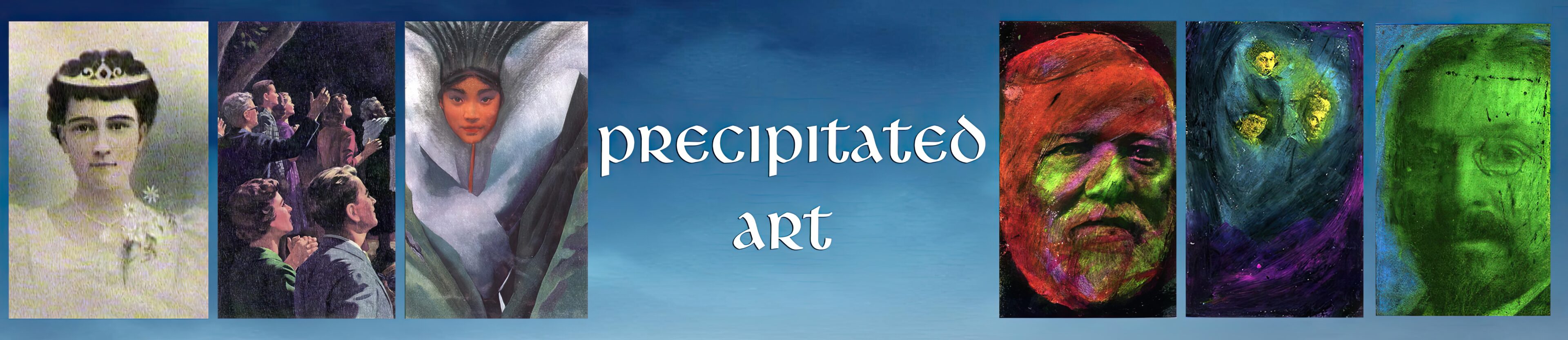
Precipitated Art occurs when Spirit creates pictures in physical form directly on canvas or paper without using human hands. The term comes from chemistry, where a solution of two chemicals, sodium iodide and lead nitrite (both white powders), reacts, forming sodium nitrate and lead iodide. The latter is yellow in color and is heavier than the water, so it falls to the bottom of the test tube. When art experts examine examples of precipitated artwork, they cannot find any brush strokes.[1]
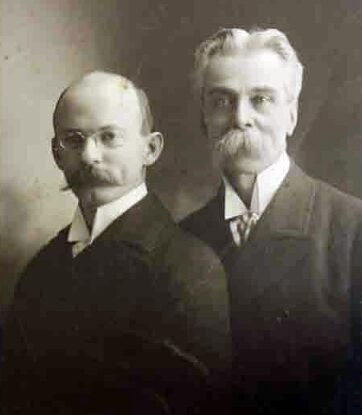
Allen Campbell was born in England in 1833 and, as a young man, moved to the United States, where he met Charles Shourds. The two became friends and business partners, dealing with importing and exporting goods in the New England States.
The Campbell brothers were not brothers but were said to be lovers, using the “brothers” title in their work to make their relationship palatable.
Charles (whose date of birth is unknown) and Allen both started working as mediums in the late 1890s. They are said to be the mediums responsible for introducing the idea and use of a spirit cabinet.
Allen’s forte seemed to be the manifestation of spirit art through means of precipitation, while Charles could materialize spirits. They were also known for slate and typewriter seances, where a typewriter was placed on a table in a small cabinet, and as sitters joined hands around the table, messages from the “dead” would be typed and later distributed.
One of their most known works was produced in June of 1887. A large (40×60) spirit portrait of Allen’s Spirit guide, Azure, was precipitated in this seance. The picture, titled Azure the Helper, hangs today in the lobby of the Maplewood Hotel in Lily Dale, NY.
I have been fortunate enough to see the painting for myself, and there is a palpable energy to it, to say the least.
Allen died in 1919, and Charles passed in his home in Cottage Row at Lily Dale Assembly in 1926.[2]
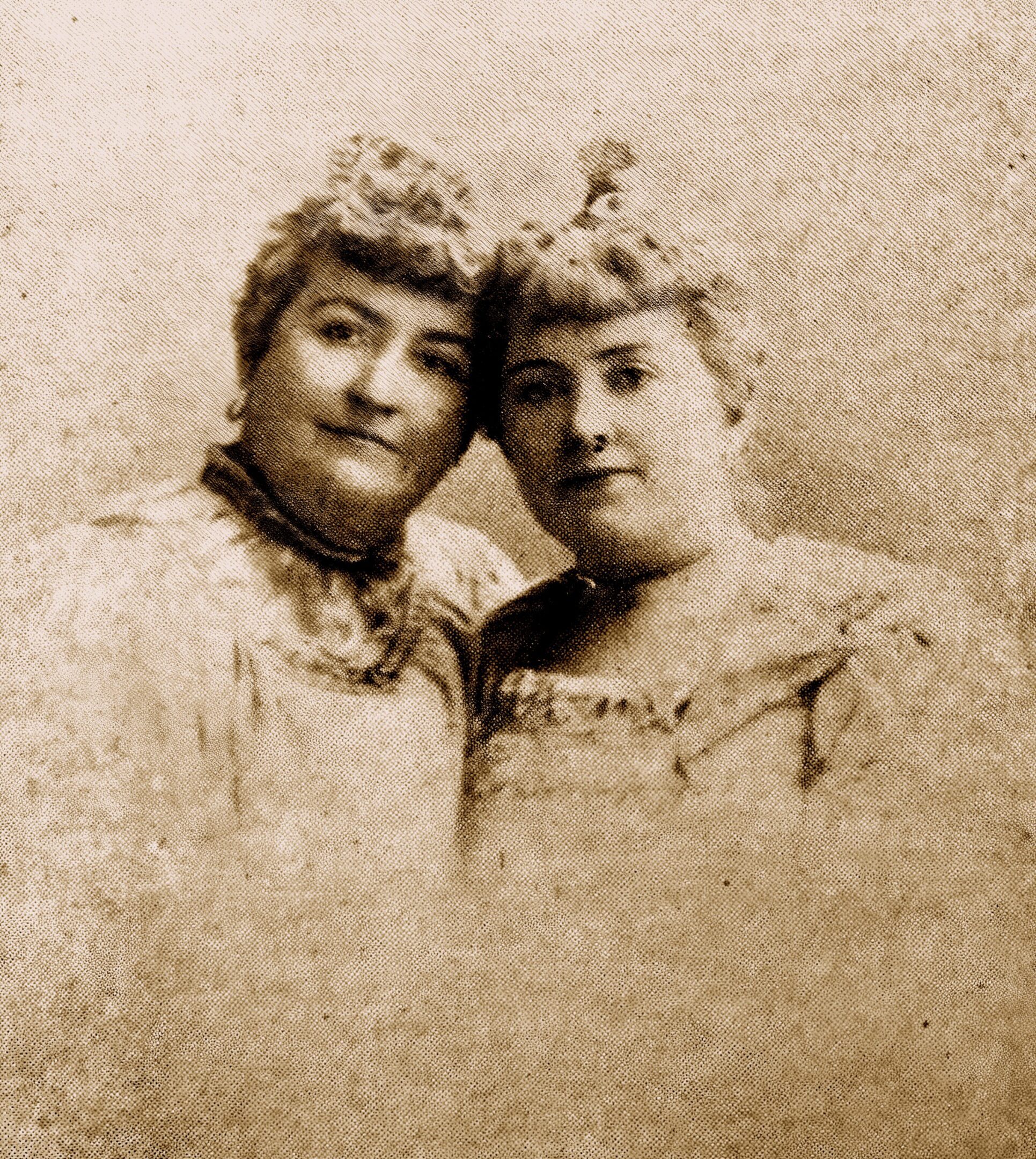
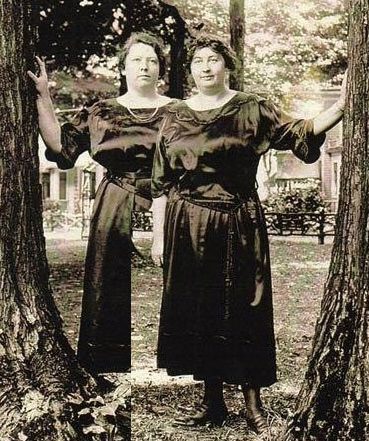
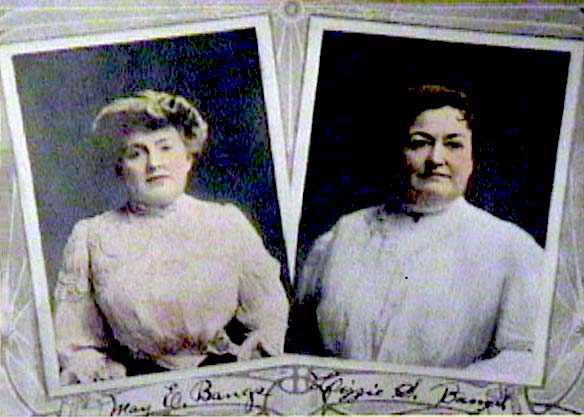
Lizzy and May Bangs
The most famous Precipitated Art mediums were Lizzy and May Bangs, who lived in Chicago, Illinois, in the late 1800s.[3] This is how the artwork was produced.
4The most unusual demonstrations of precipitated spirit paintings were given by the Bangs Sisters of Chicago. On paper-mounted canvases held against the light near the windows, they produced spirit portraits in plain sight of the sitter, often in as little as eight minutes! The sitter was usually advised to keep about his person a photograph of the departed friend whose spirit picture he desired to obtain.
Sitters would randomly select a blank canvas out of a group of many supplied by the sisters. The precipitated painting was then produced when these two identical, paper-mounted canvases were placed face-to-face between the Bangs sisters with each sister holding one edge. It was reported that after fifteen minutes, sketches could begin to be seen through the canvas and then the full painting grew, at times at a feverish pace. Sitters often observed a silver mist “like steam from a kettle” gradually envelope the canvas and in the mist, there appeared and quickly disappeared small flecks of a darker and more solid substance. Other sitters described it as a ‘vapor-like cloud which passed across the canvas.”[4]
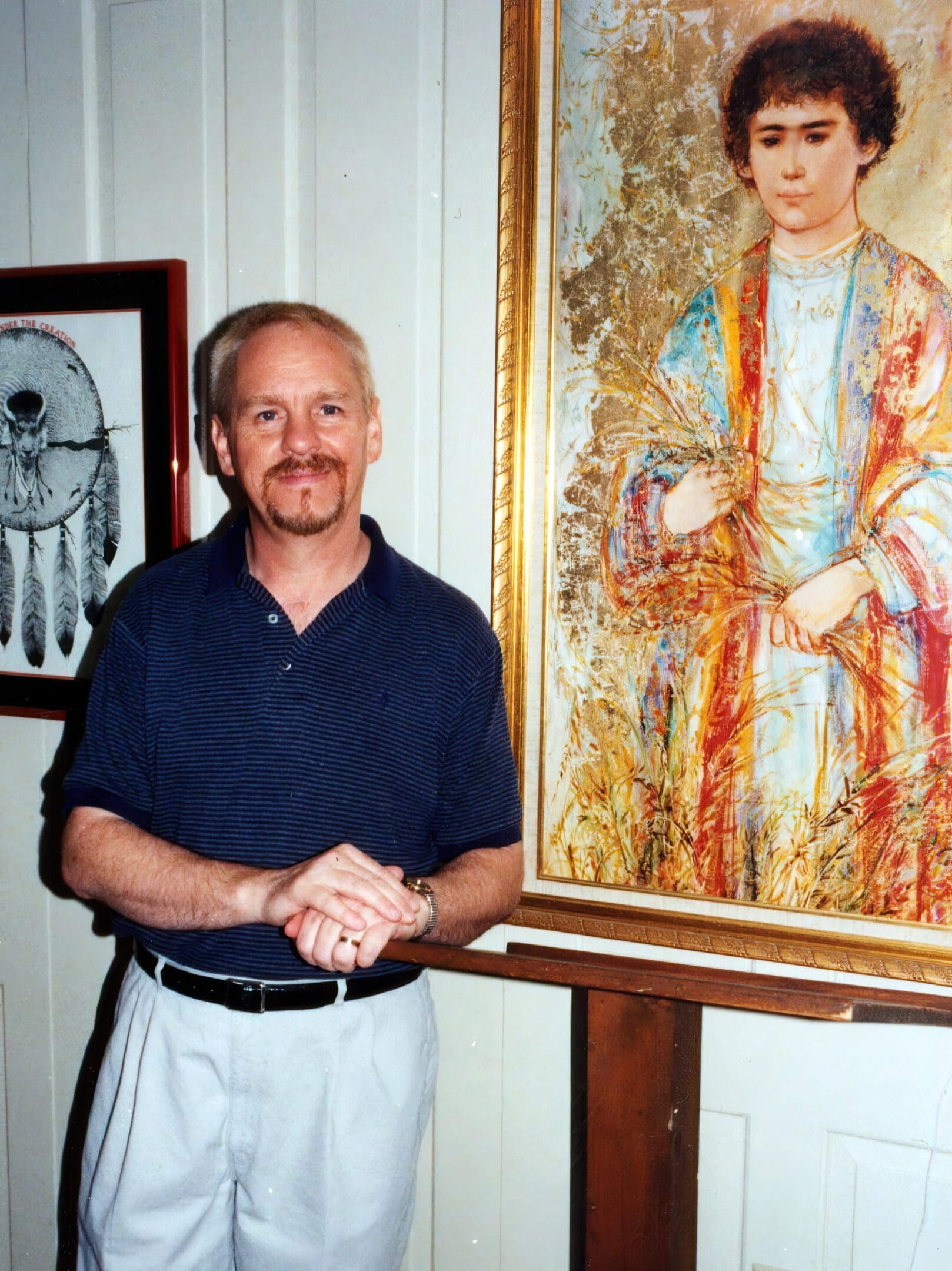
Hoyt Z. Robinette
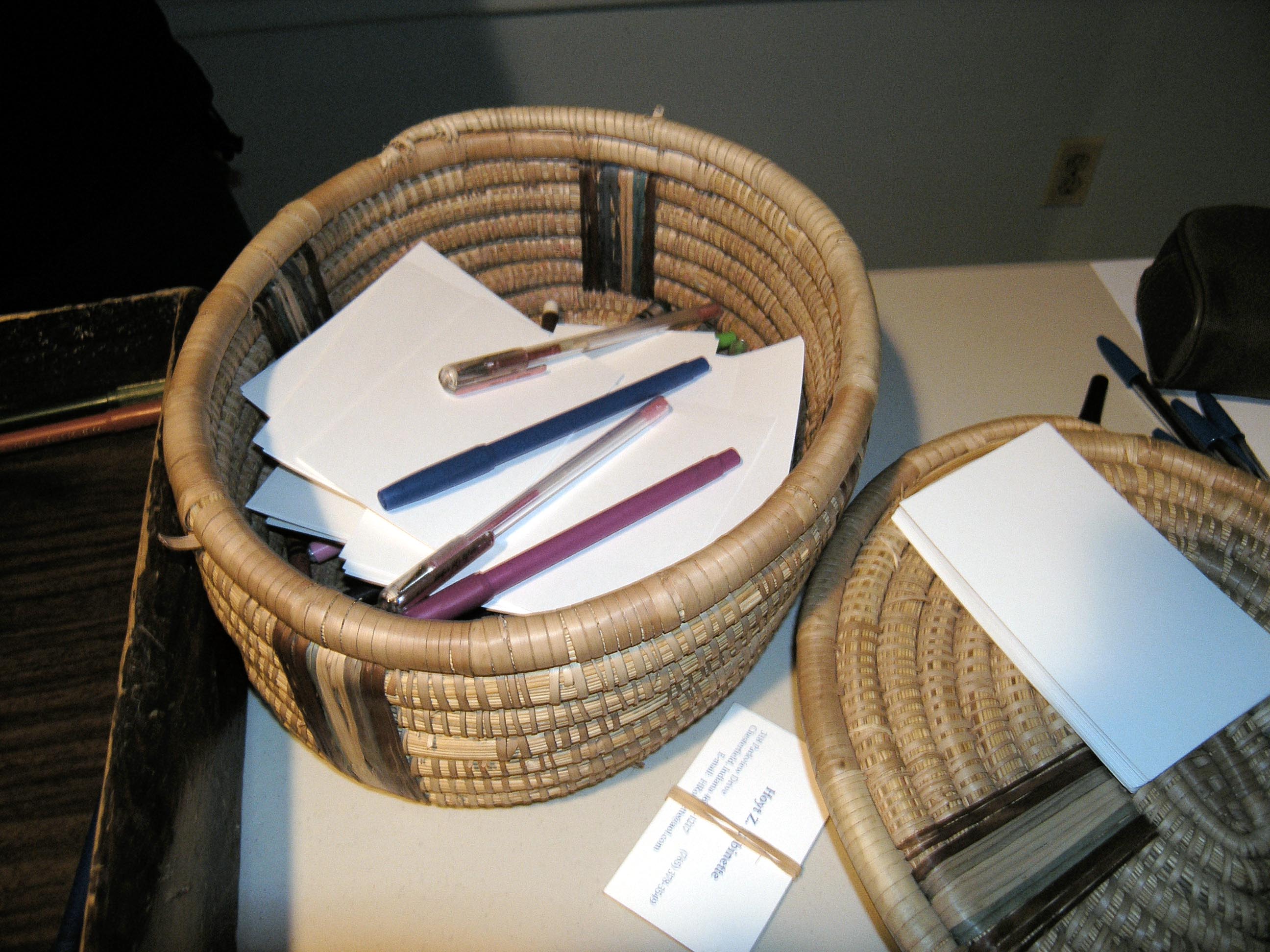
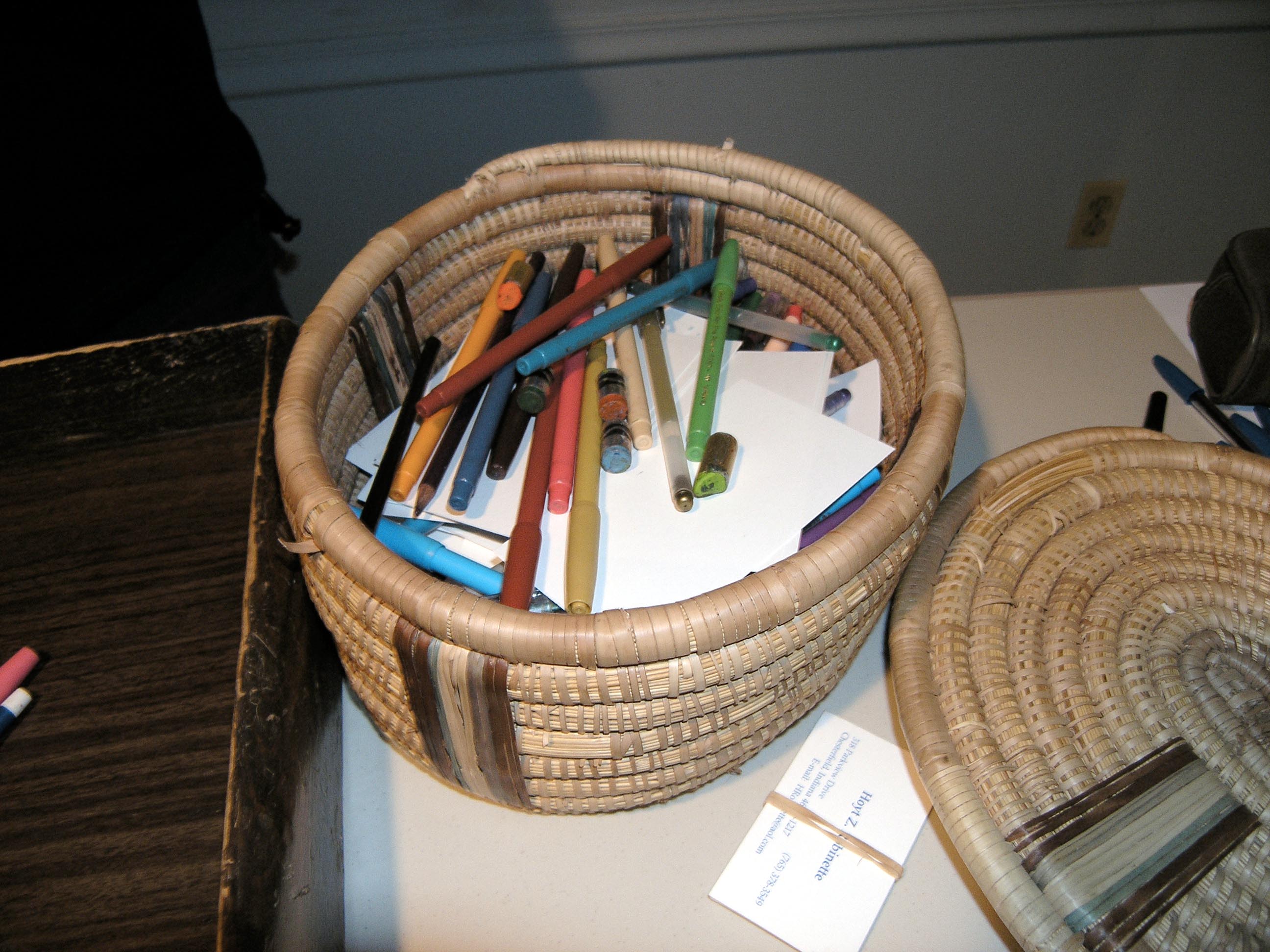
Hoyt Z. Robinette is also a Precipitated Art medium. He uses an “updated” technique. He puts a handful of jell pens, crayons, oil pastels, felt tip markers, and colored pencils in the bottom of a basket.
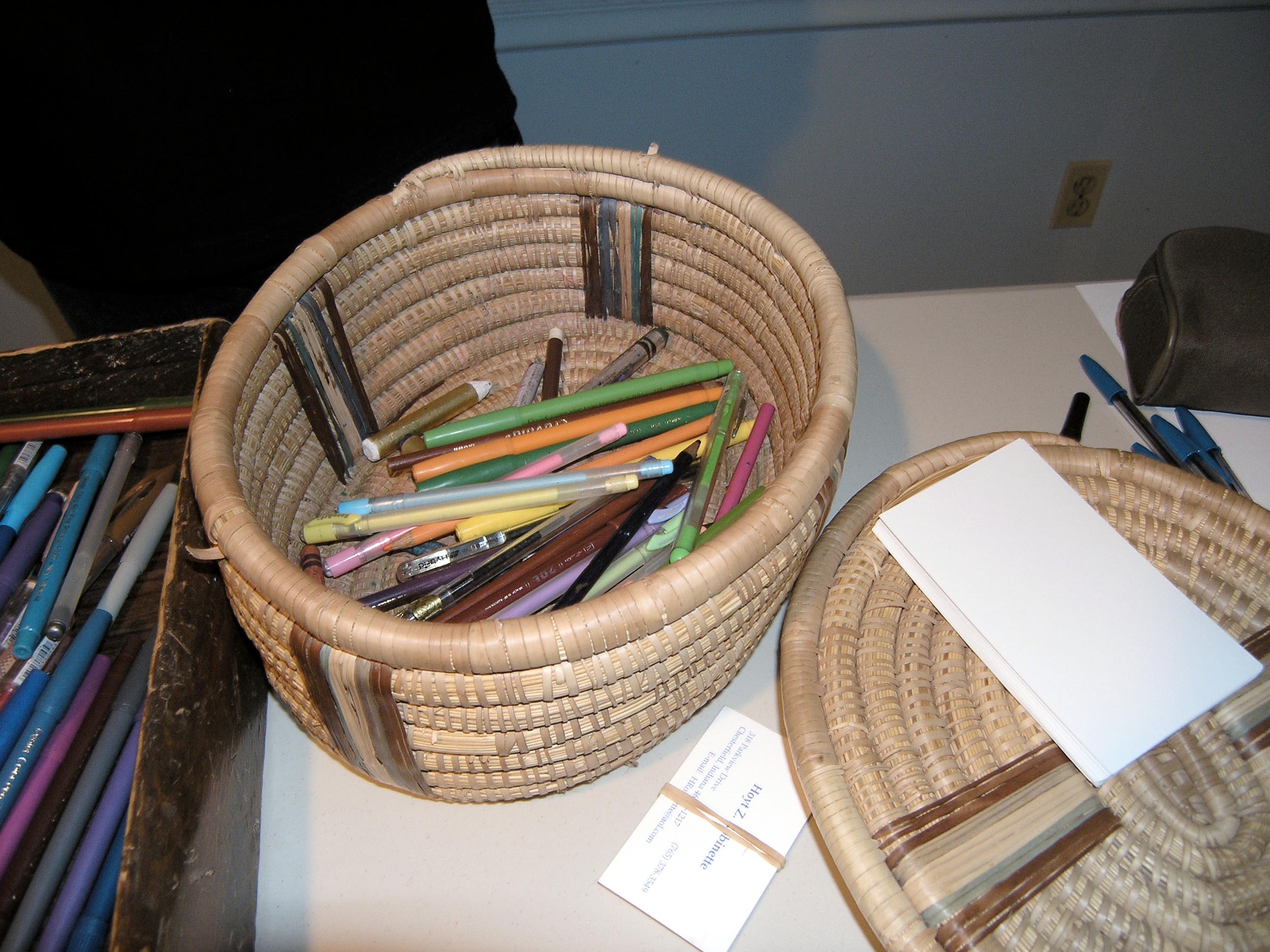
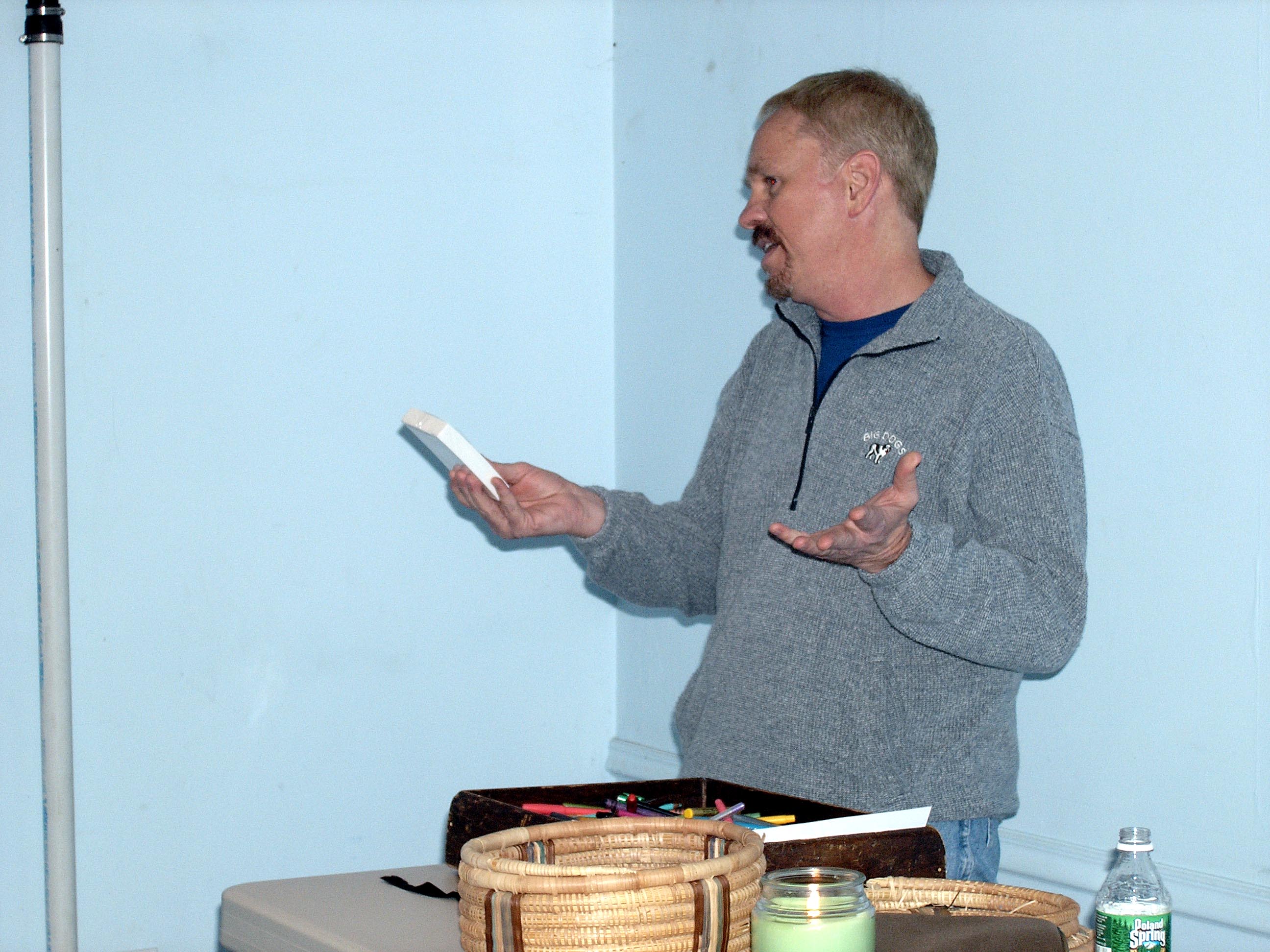
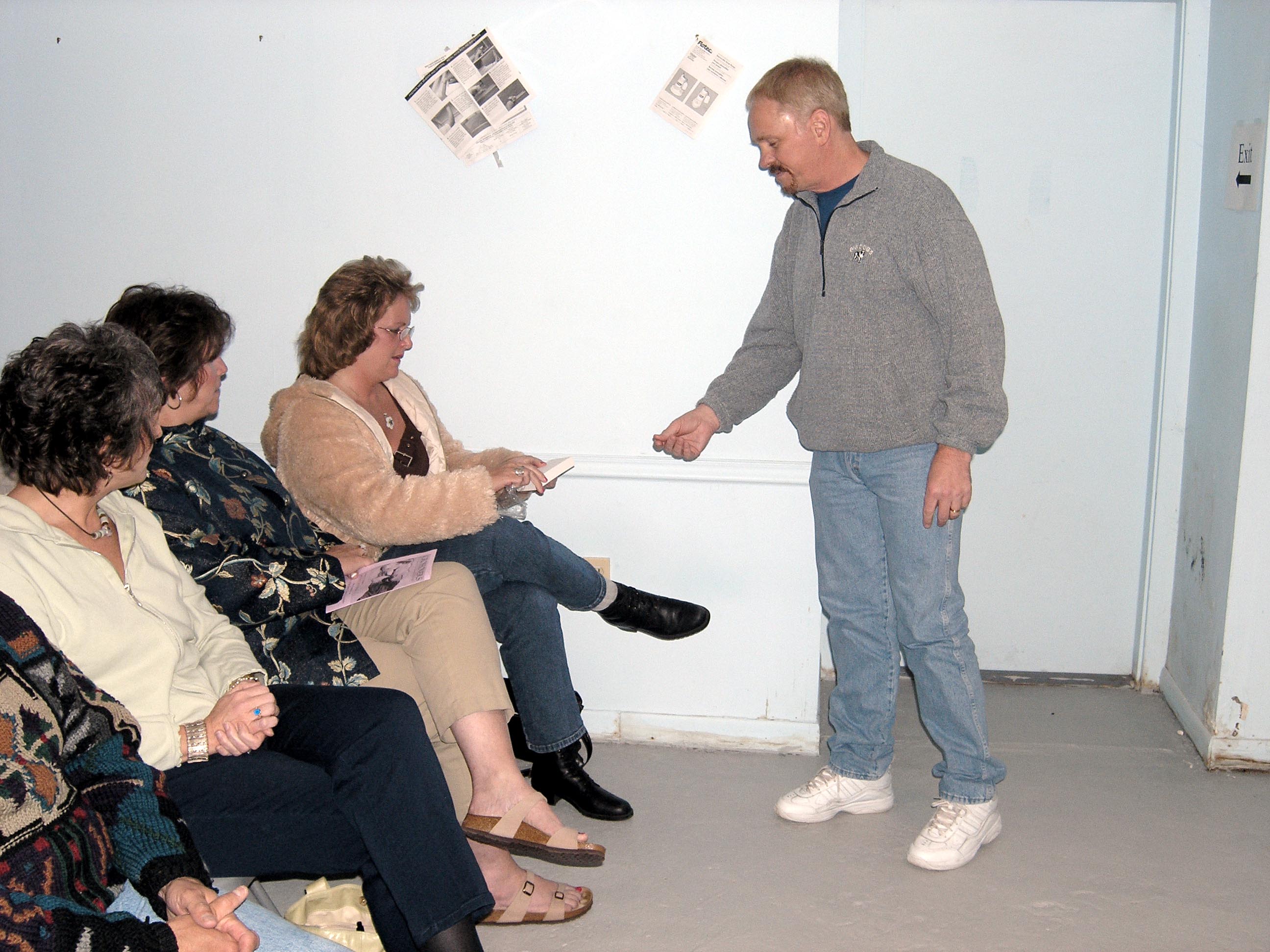
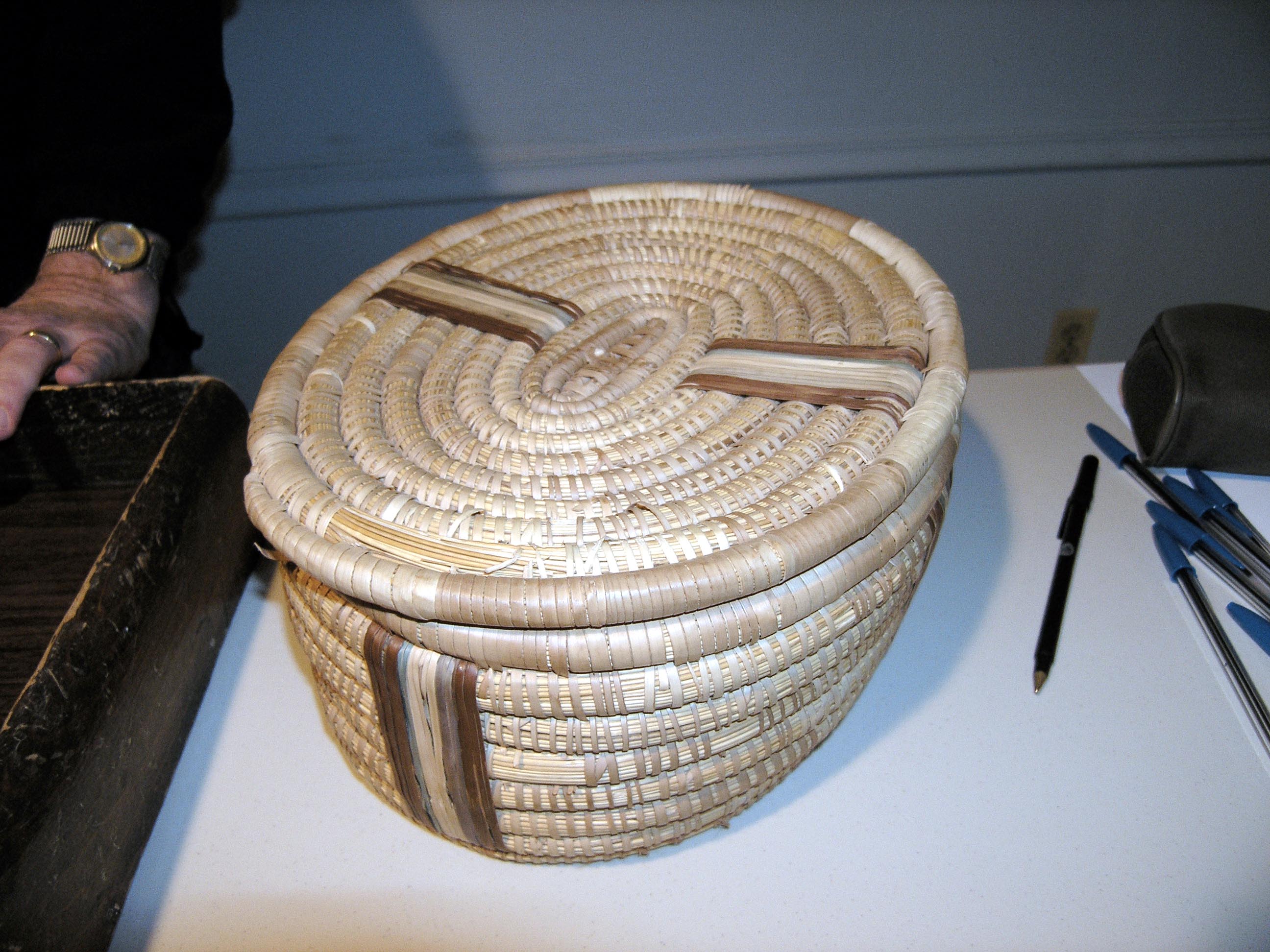
Then, Hoyt places some blank cards on top of the art supplies. Next, Hoyt adds more layers of art supplies and cards, as if he were making lasagna. When the last layer is in place, he shuts the lid on the basket so the cards and art supplies are in total darkness.
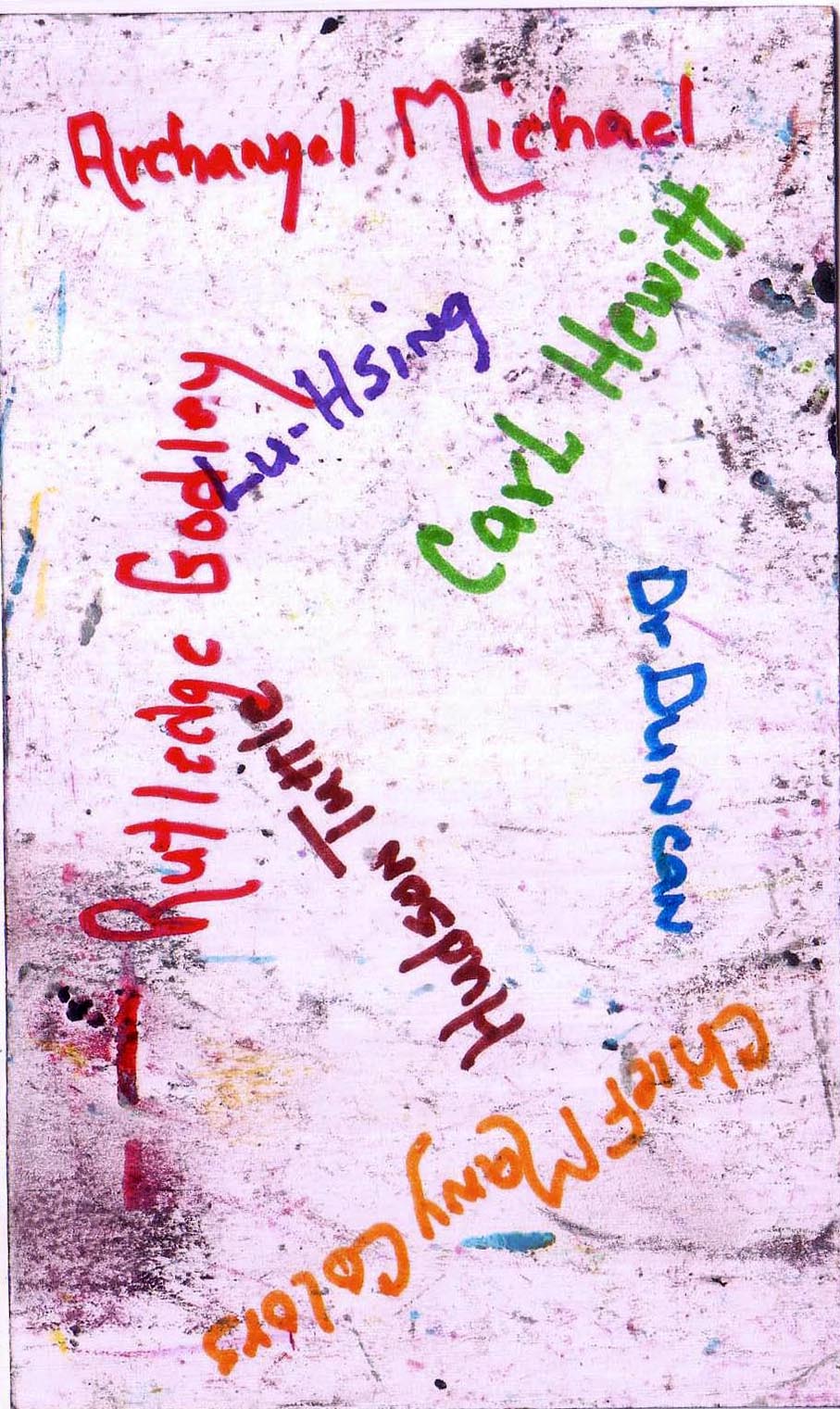
Next, Hoyt does a clairvoyant reading for each séance participant. While he talks with a particular person, the Spirit people create a picture for that person, then lowers its frequency (hence the term precipitated) until it becomes a physical reality on the card. The artwork is spectacular. Furthermore, the Spirit guides and/or loved ones sign the back of the card. The artwork is astonishing and breathtaking.
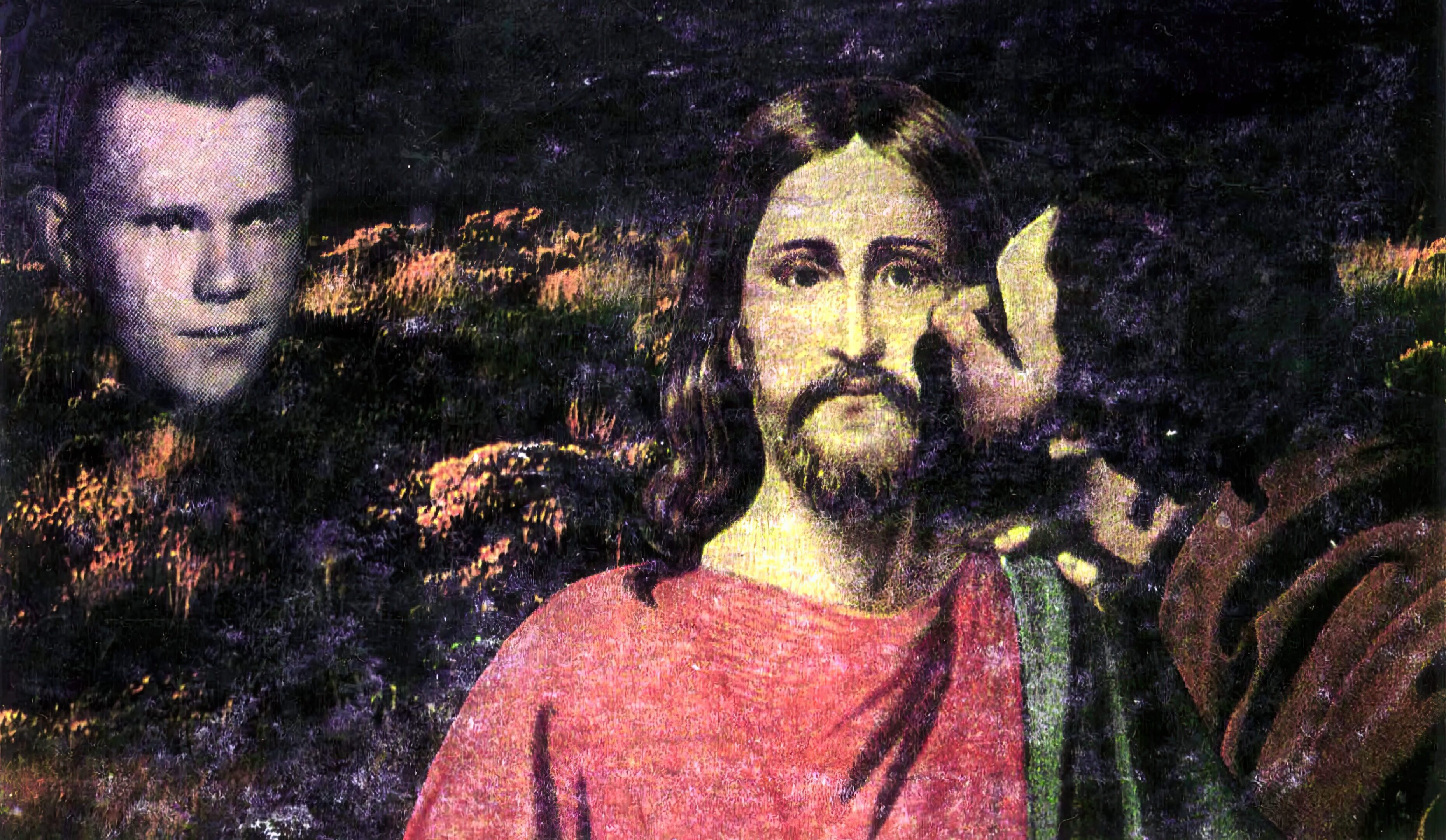
I first attended one of Hoyt’s Precipitated Art séances on August 16, 1999. At this séance, I received a picture of Judas kissing Jesus.
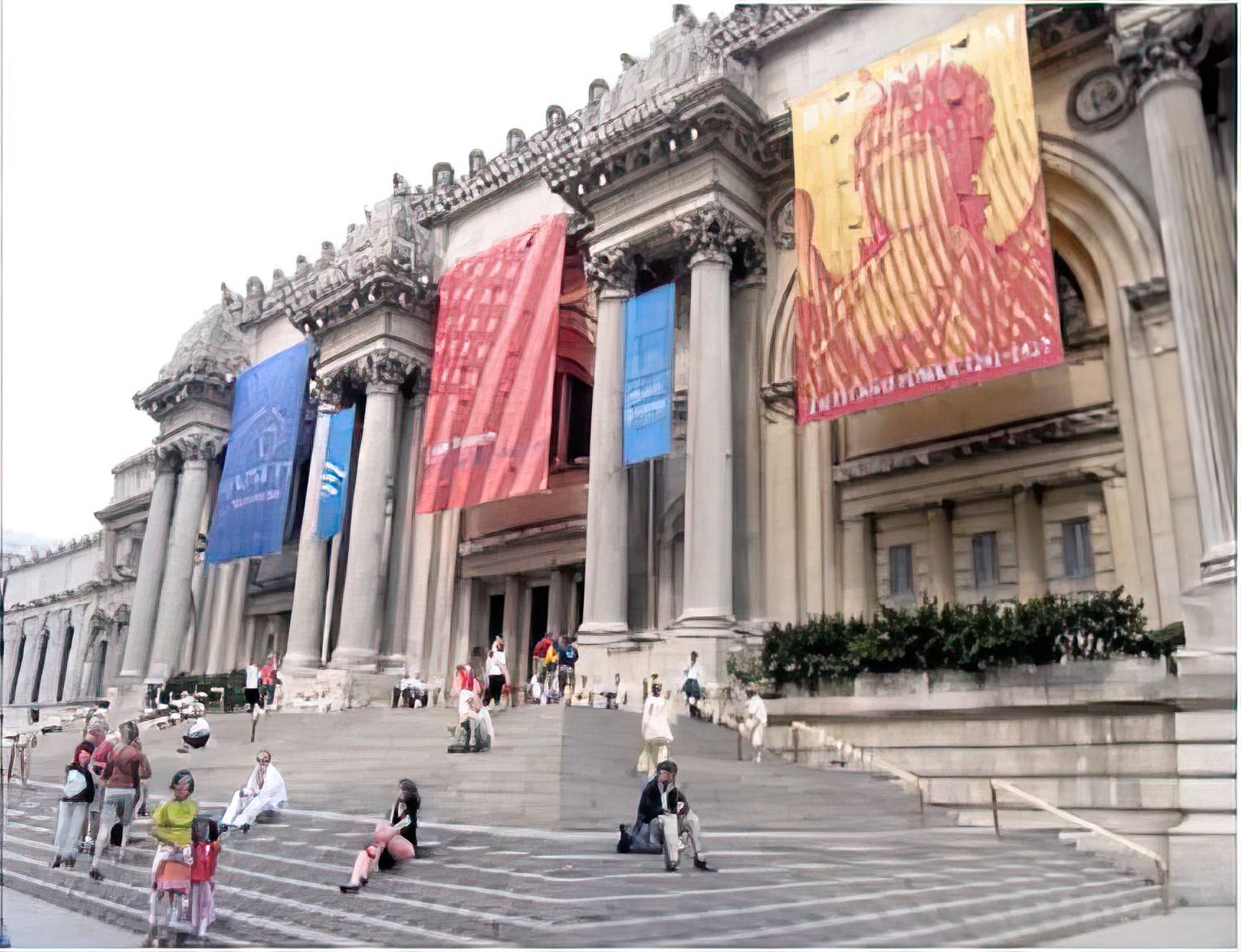
Several years later, in 2004, The Metropolitan Museum of Art in New York City had a special exhibition entitled: “Byzantium: Faith and Power (1261-1557).” This was a phenomenal exhibit of fascinating artifacts from the Byzantine Empire.
I was utterly stunned when I saw a Byzantine Icon of Jesus dressed in my precipitated card’s identical colors: a red robe with a blue/green mantle. I found it so interesting that Jesus wore the same-colored clothing in both cases.
However, what was even more fascinating was when I saw a Byzantine Icon of Moses, who wore the same-colored clothing as Jesus, but in the opposite way. Jesus wore a red mantle with a blue-green cloak, while Moses wore a blue-green mantle with a red cloak.
I found another piece of information that further shocked and amazed me. According to a sign in the exhibit, certain icons were acheiropoietos, meaning human hands did not touch them.
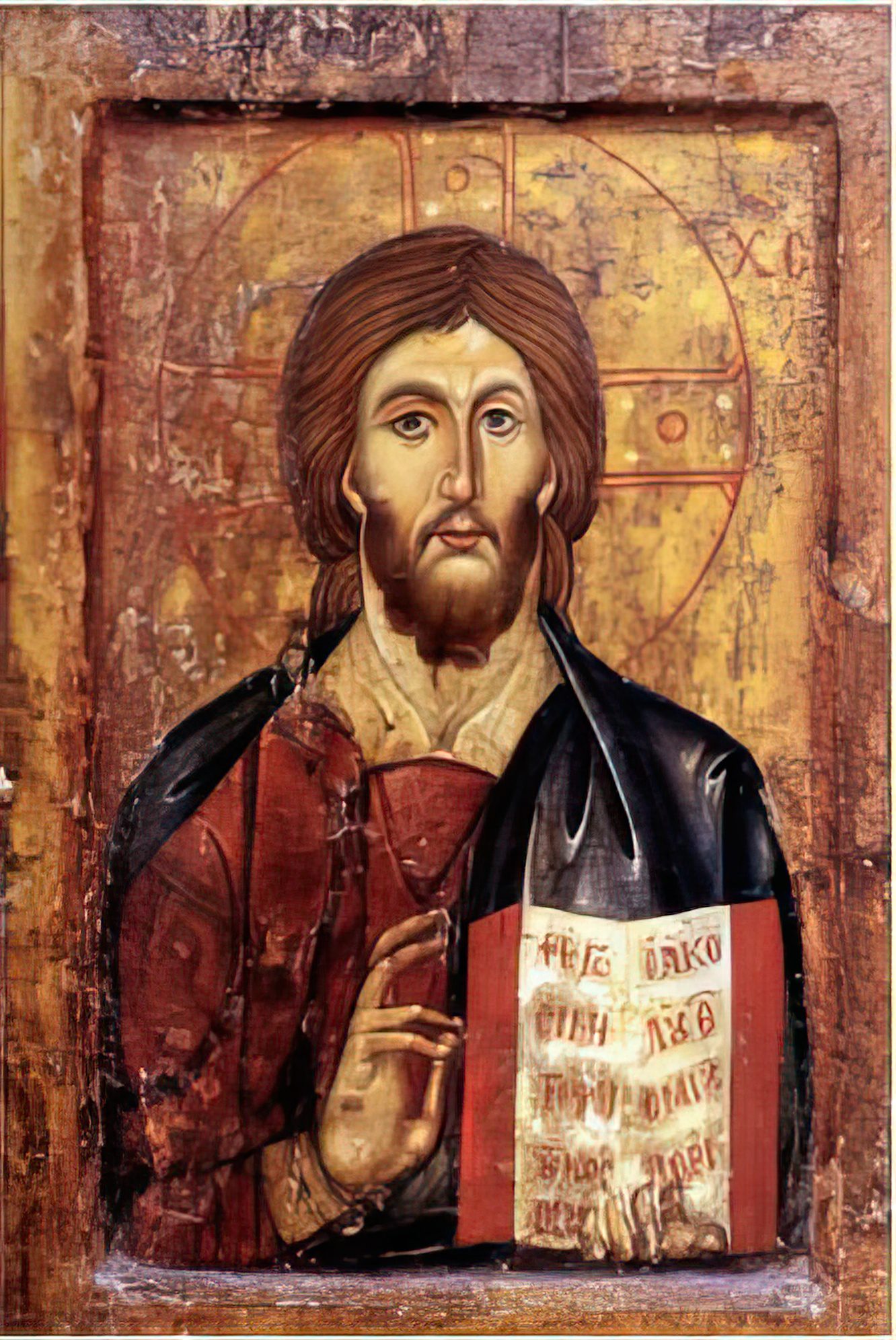
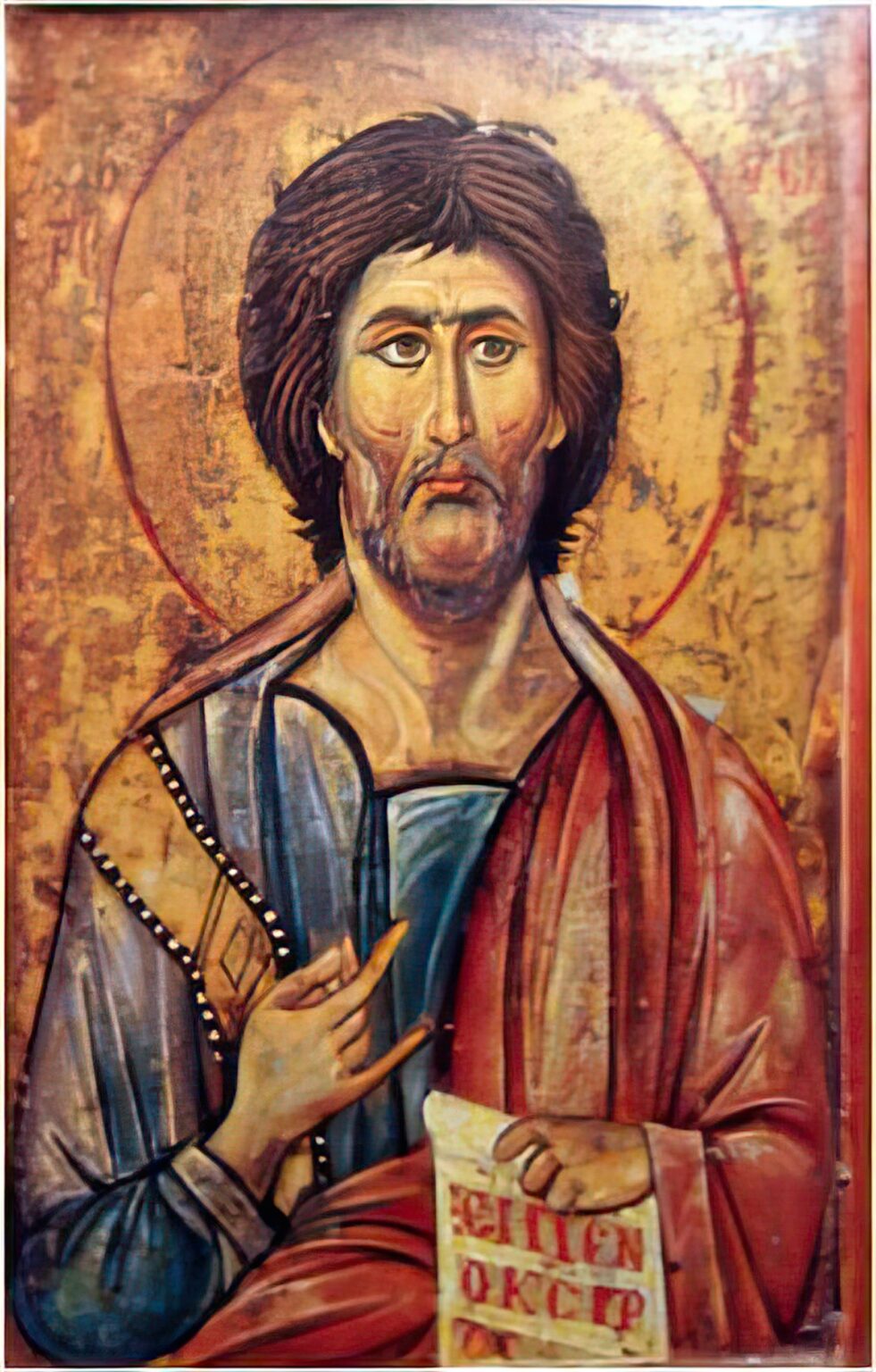
acheiropoietos (Greek, “not made by human hands” ): term used to describe images depicting Christ, the Virgin, or a saint that initially appear in a miraculous fashion or that are able to replicate themselves without human intervention. [5]
This statement could only have one meaning. Byzantine mediums created some of these icons through their gift of Precipitated Art, using a similar method as the Bangs Sisters and Hoyt Robinette. This was a startling discovery, one that I could never have anticipated.
Carl Precipitates his Picture
at one of Hoyt Robinette's Precipitated Art séances
August 30, 2005
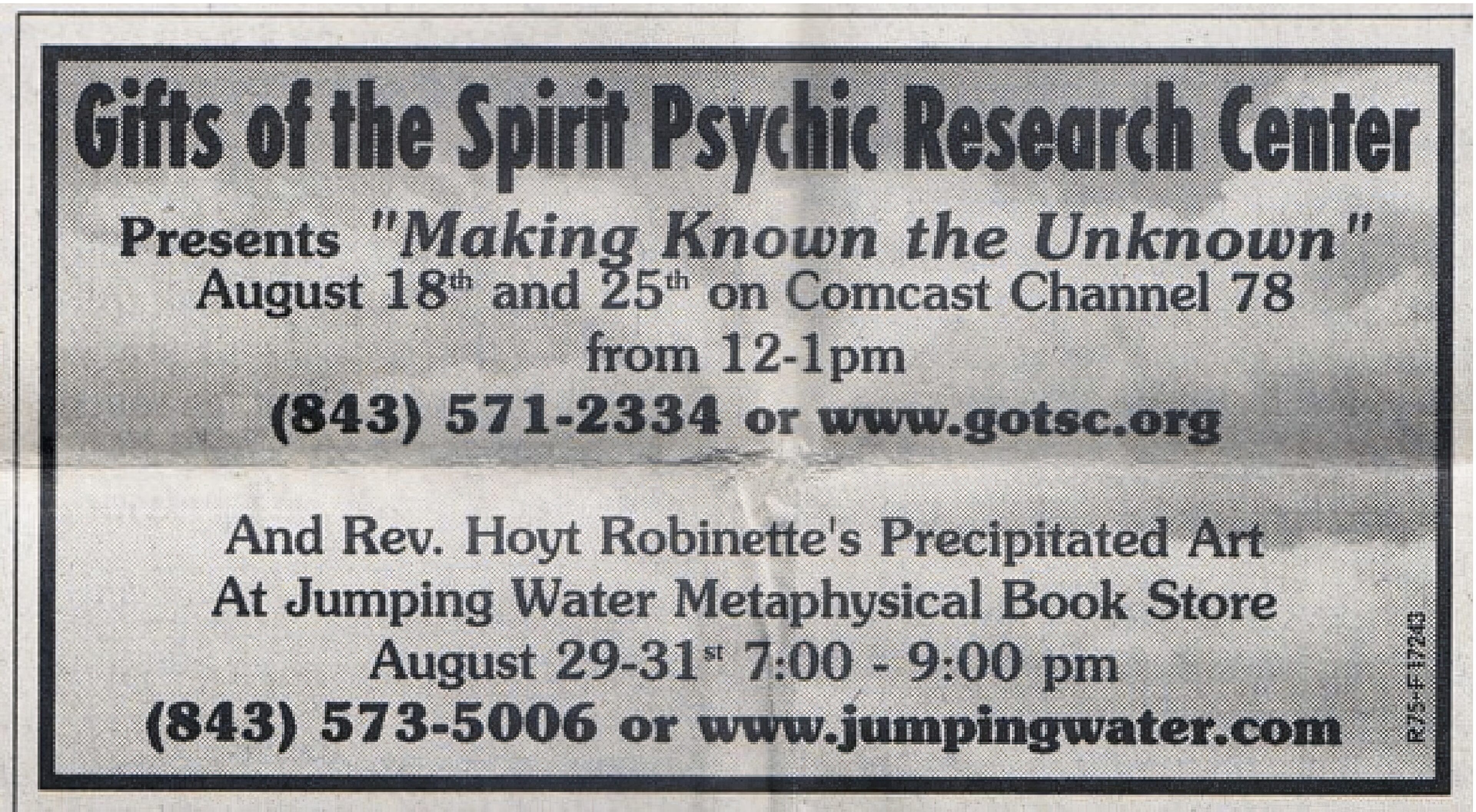
In August 2005, we held several private séances with Hoyt Robinette at Carl’s house in Charleston, South Carolina. Then, we sponsored four precipitated card séances open to the public, three in Charleston and one in Columbia, South Carolina. The Charleston séances were held in the Jumping Water Metaphysical bookstore near Carl’s house. This was a fantastic opportunity for more people to witness the exceptional mediumship abilities of Hoyt Z. Robinette.
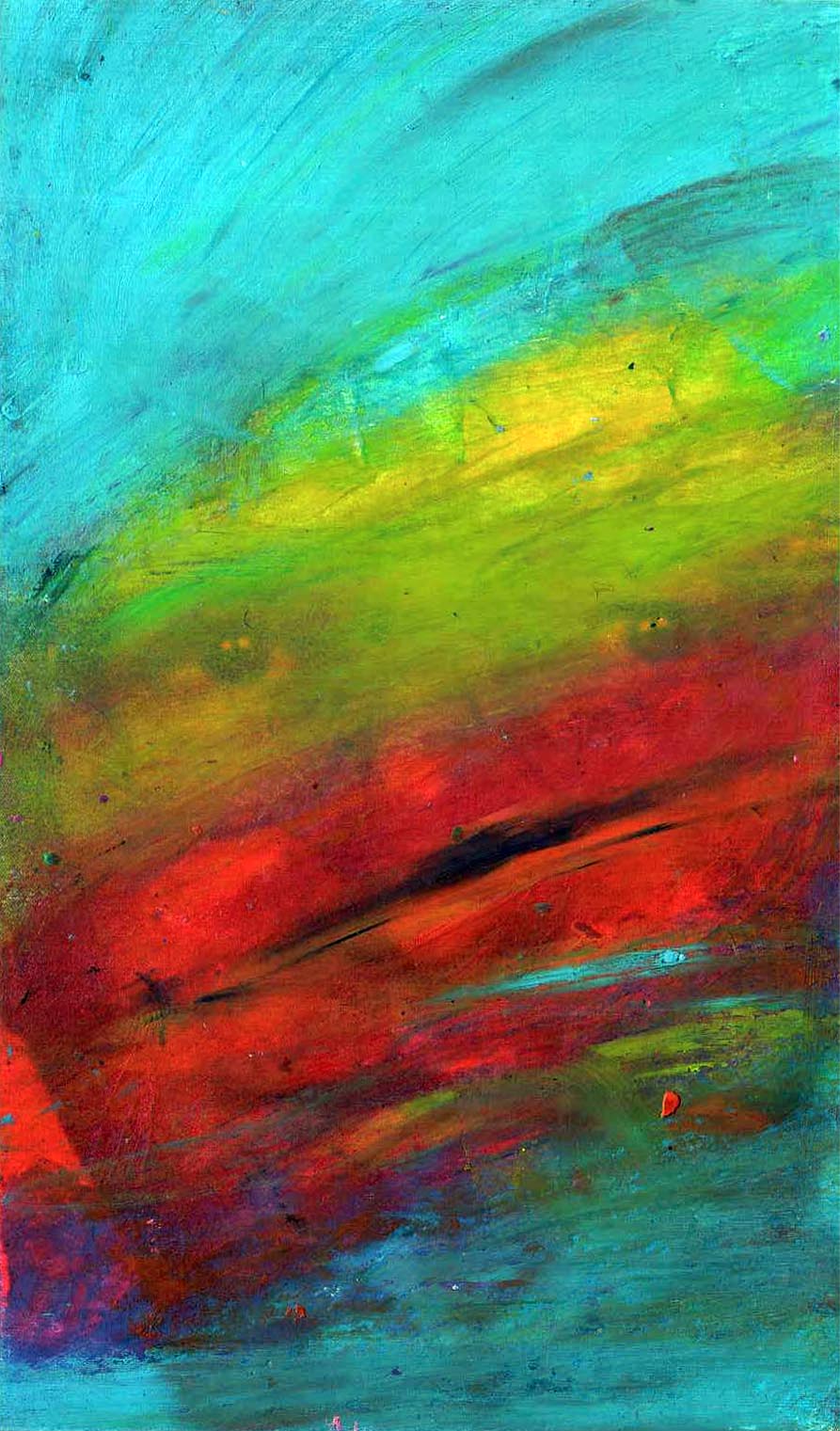
Carole Godley, Carl’s niece, attended these séances. She also brought her two of her sons, Rutledge and Norman. Perhaps it was because Rutledge had been quite emotional during Carl’s funeral that Carl came through to Rutledge during the August 30th séance. Rutledge received the card below, which unmistakably has Carl’s name on the back side and his picture on the front. What spectacular evidence that Carl continued to live, breathe, and have his being in the Spirit World.

Footnotes
[1] Meilleur, Maxine. Great Moments of Modern Mediumship. Volume 2. La Vergne, UK: Saturday Night Press Publications, 2018. p. 164.
[2] Sanders, Travis. “The Campbell Brothers––and Precipitation.” Travis Sanders: Spiritualist.-. 24 January 2022. Web. 11 May 2025. < https://travispsychic.wordpress.com/2022/01/24/the-campbell-brothers-and-precipitation/>.
[3] Meilleur, Maxine. Great Moments of Modern Mediumship. Volume 2. La Vergne, UK: Saturday Night Press Publications, 2018. pp. 164-165.
[4] Meilleur, Maxine. Great Moments of Modern Mediumship. Volume 2. La Vergne, UK: Saturday Night Press Publications, 2018. P. 165.
[5] Evans, Helen C. Byzantium: Faith and Power (1261-1557). NY: Metropolitan Museum of Art; New Haven: Yale University Press, 2004. p. 642.