
Abraham Lincoln Sees his Deceased Son, Willie
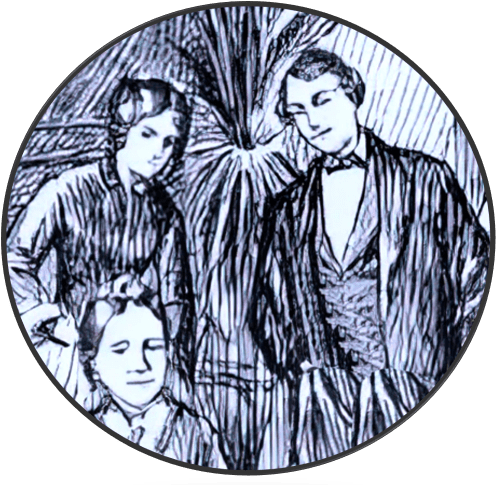
Jack Laurie was Margaret and Cranston Laurie’s son and Belle’s brother. He was not a medium like the rest of his family, but he probably believed in Spiritualism, as shown by his attendance at many seances at his parents’ house.
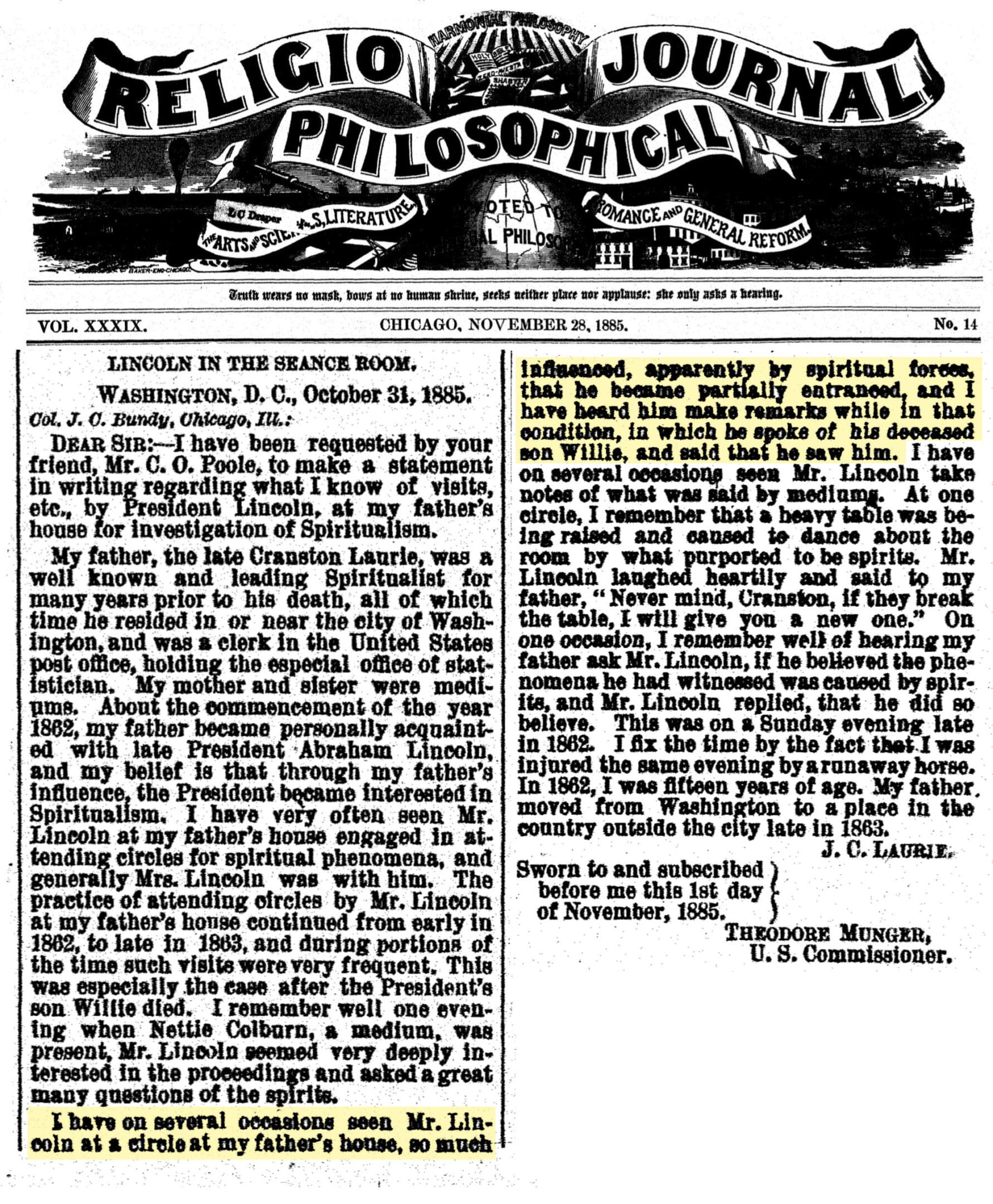
In a letter published in The Religio-Philosophical Journal on November 28, 1885, Jack Laurie explicitly states that President Lincoln was a regular attendee at his parents' séances, a strong believer in Spiritualism, and even saw his son, Willie at one of the séances.
The Psychic Life of
Abraham Lincoln
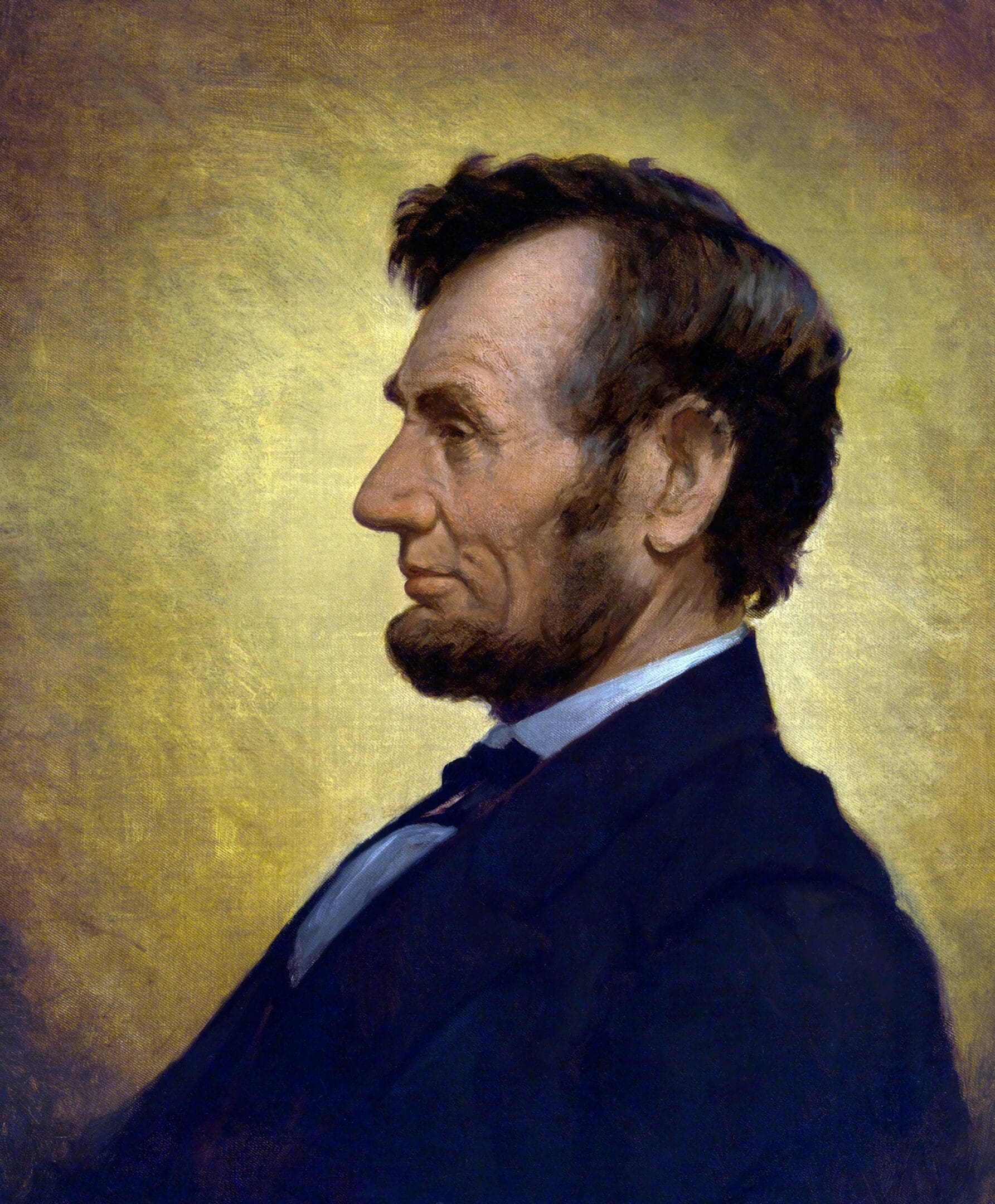
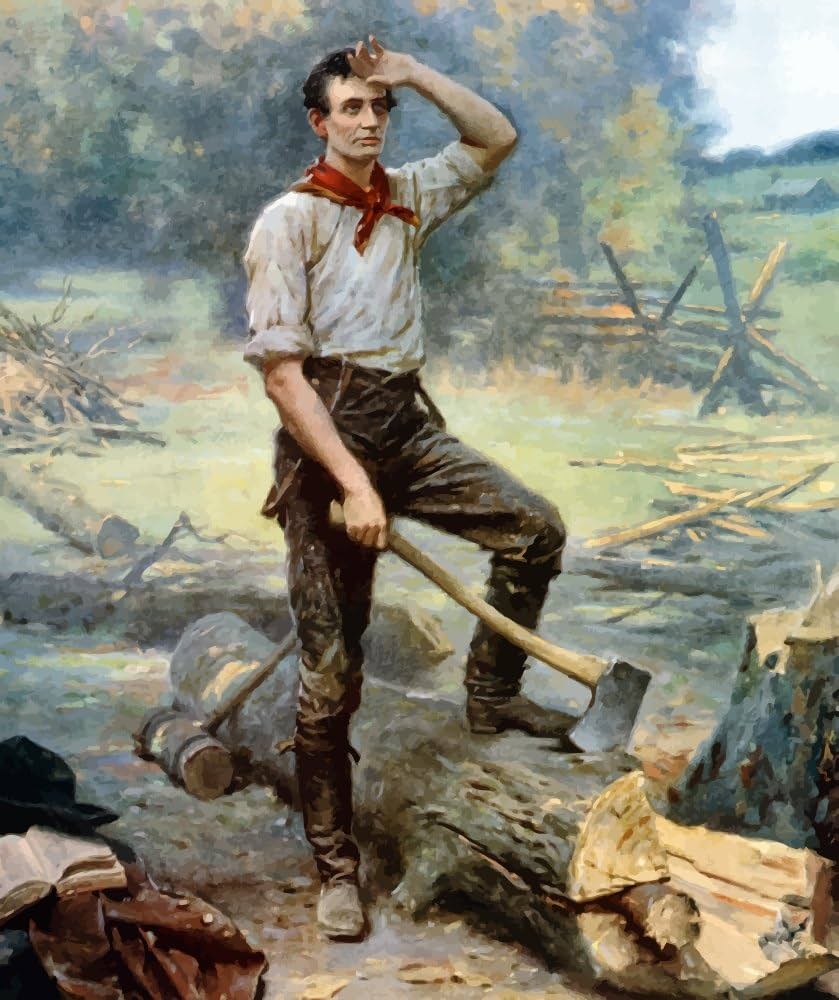
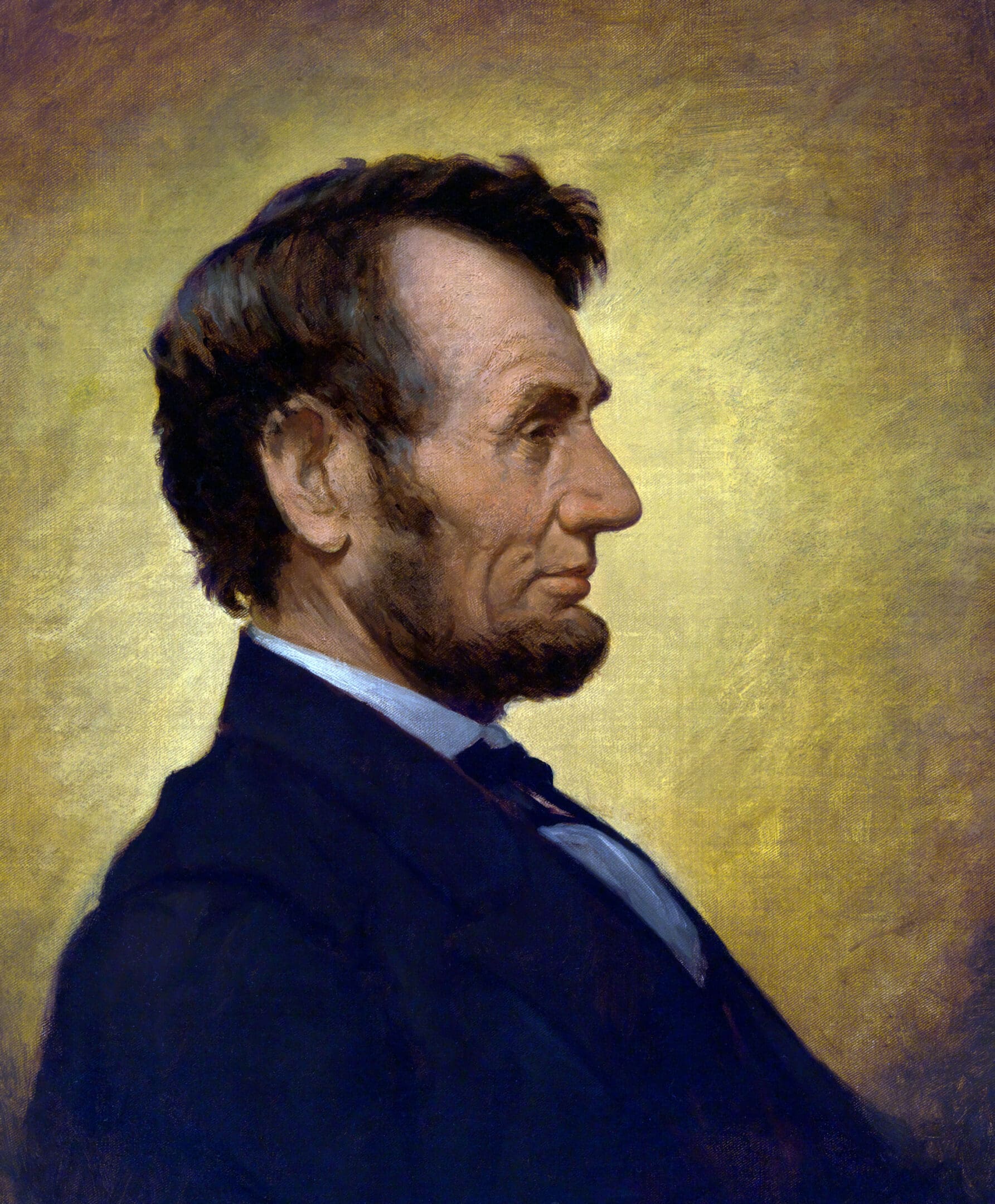
There is documented evidence that President Abraham Lincoln possessed psychic abilities and used them throughout his life. Lincoln often foresaw future events. We know of one occasion that it was through clairvoyance (seeing visions). And on several occasions, Lincoln learned the future through the Gift of dreams. According to Ward Hill Lamon, Abraham Lincoln believed he would rise to greatness and fall from it since his youth. This idea was planted in Lincoln’s consciousness through the dreams he experienced during his childhood.[1]
Lincoln had a vision after his election in i860. “It was the double image of himself in a looking-glass, which he saw while lying on a lounge in his own chamber at Springfield. There was Abraham Lincoln's face reflecting the full glow of health and hopeful life; and in the same mirror, at the same moment of time, was the face of Abraham Lincoln showing a ghostly paleness. On trying the experiment at other times, as confirmatory tests, the illusion reappeared, and then vanished as before.
Mr. Lincoln more than once told me that he could not explain this phenomenon; that he had tried to reproduce the double reflection at the Executive Mansion, but without success; that it had worried him not a little; and that the mystery had its meaning, which was clear enough to him. To his mind, the illusion was a sign,—the life-like image betokening a safe passage through his first term as President; the ghostly one, that death would overtake him before the close of the second.”[2]
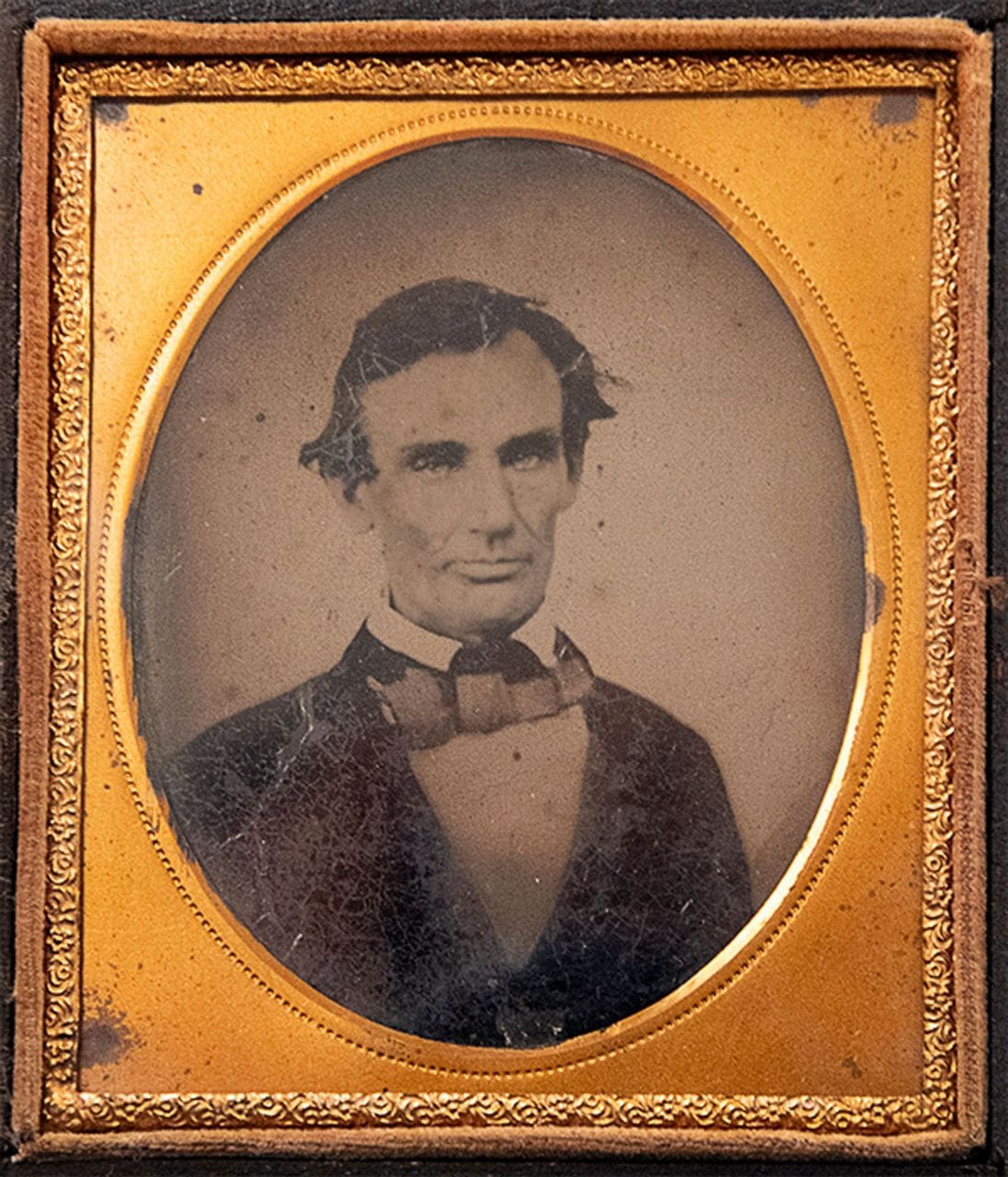
There are many accounts of Lincoln having foreknowledge of future events, which others acknowledged by calling him a prophet (similar to a biblical prophet). Here are some examples.
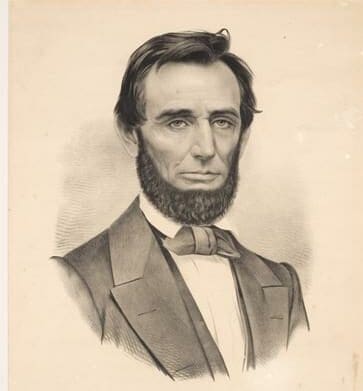
As winter gave way to spring, with the warmer weather the president sent his junior secretary, the clever and capable John Hay, off on a special mission to the South Atlantic squadron. The pert young Hay would report back to Lincoln, "You had repeatedly uttered, during my last week in Washington, predictions which have become history."[3]
J.M. Winchell, a New York Times correspondent who saw Lincoln in 1864 on a weighty mission concerning reelection, reported that Lincoln never looked him in the face, and almost seemed to be gazing into the future. Also in 1864, with elections in view, a Michigan editor would read Lincoln as wizard and prophet: "...he seems to have something of that prescience of the future, with which minds of the highest class are often gifted...the prophet waits patiently for the coming events...and learn[s] to labor and to wait."[4]
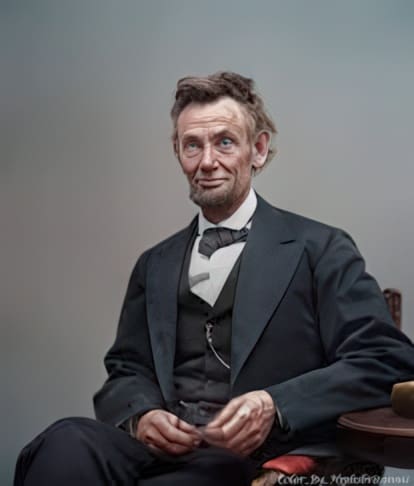
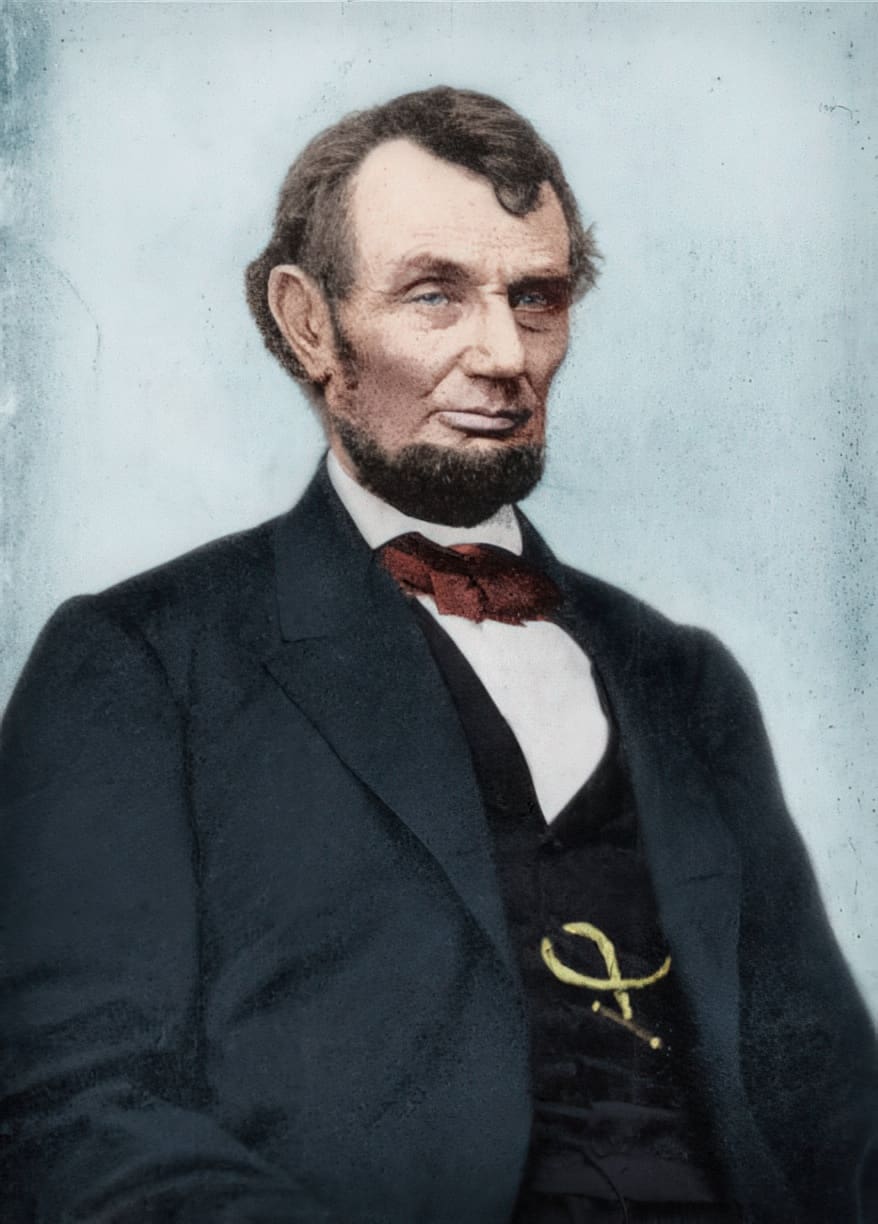
It was also in 1864 that Lincoln began to share his prescience of the end. As told to a Boston Journal man that year: "I feel a presentiment that I shall not outlast the rebellion. When it is over, my work will be done."[5]
Before any news came of the disastrous Dahlgren Raid on Richmond (late winter 1864), Lincoln mused, "Something has gone very wrong with young Dahlgren."[6] Indeed it had; he was killed. Predicting the unfavorable outcome of one Union loss in battle, he admitted, "I believe I feel trouble in the air before it comes."[7]
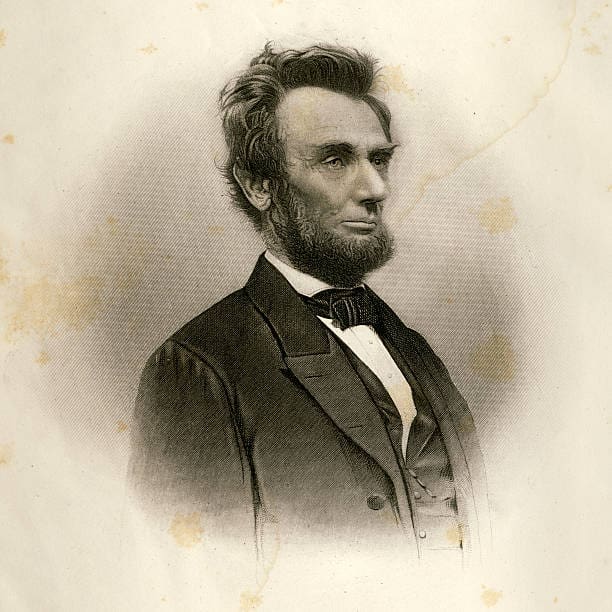
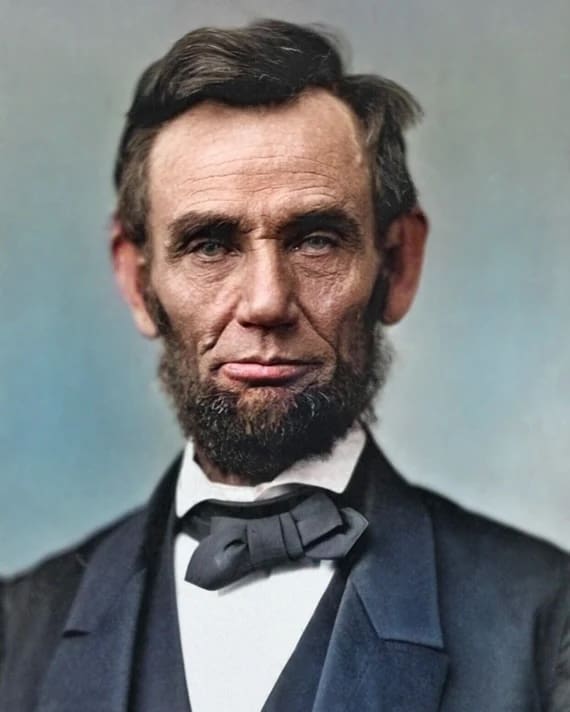
Troy Taylor, who has recently done a study of the "supernatural" Lincoln, found a War Department document that describes the president bursting into the telegraph office late one night in a panic. He ordered the operator to get a line through to the Union commanders, convinced that the Confederates were about to cut through Federal lines. The telegraph operator asked where he had obtained such information, and Lincoln answered, "My God, man! I saw it." He had been dozing in his office, and the vision had been sent to him in a dream. Much to the operator's surprise, a return message informed him that Lincoln's vision had indeed been true.[8]
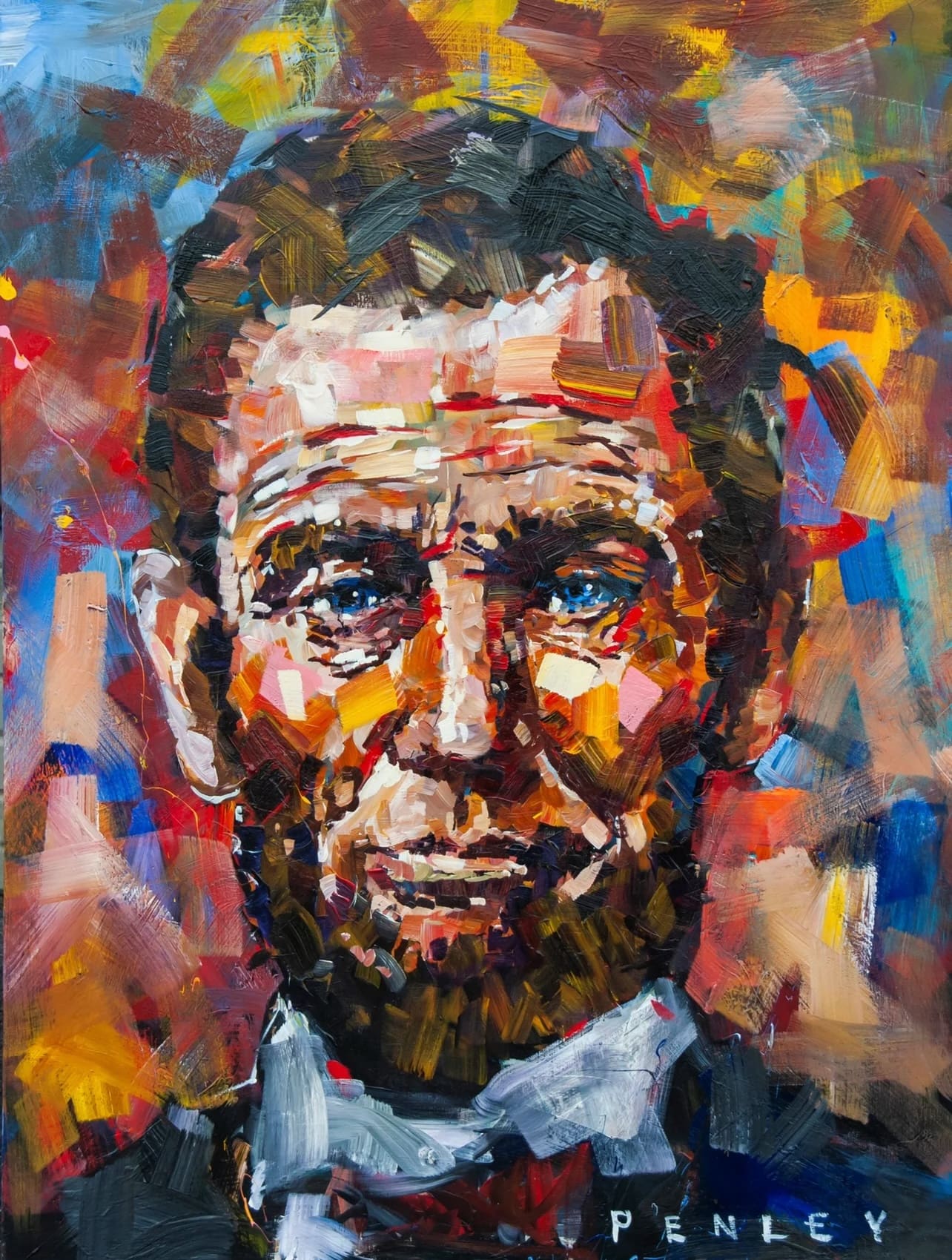
In times of political stress, Pa [Lincoln] would consult a clairvoyant.[9] Indeed, Pa's [Lincoln’s] own clairvoyance came to the rescue on various occasions. The noted psychical researcher, Gardner Murphy, has written of Pa's "capacity for ESP and related psychical predisposition."[10] Pa [Lincoln] did not always turn to mediums in a time of crisis. He became conscious of his own mediumship, his own powers of intuition or premonition.[11]
“Abraham Lincoln was not only a believer in the psychic power of others, … but he certainly must have been mediumistic himself, in order to see the visions which appeared to him.”[12]
“Any adequate treatment of the mystic and psychic qualities possessed by Abraham Lincoln would require a volume — perhaps several volumes. Consistently throughout his life these twin gifts of the spirit revealed themselves in his conversation, his speeches, his letters, and his daily life. They provided the motive for fearless decisions, acts of inspired statesmanship, and sacrifices made for the benefit of his people and his country. They help to explain the tremendous impact of this simple country lawyer upon the world of his time, of today, and of the future. His whole life shows that he was a man of destiny. Overwhelming evidence leaves no doubt that he himself knew it, accepted it, and tried with the humility of greatness to fulfill that destiny.”[13]
Lincoln Dreams of his own Death
If Lincoln had the gift of seeing before him, it was most conspicuous in his dream life. He would, shortly before his death, see before him in a vivid dreamscape the very coffin that would hold his corpse. His famous recurrent dream was also a warning of things soon to unfold.[14]
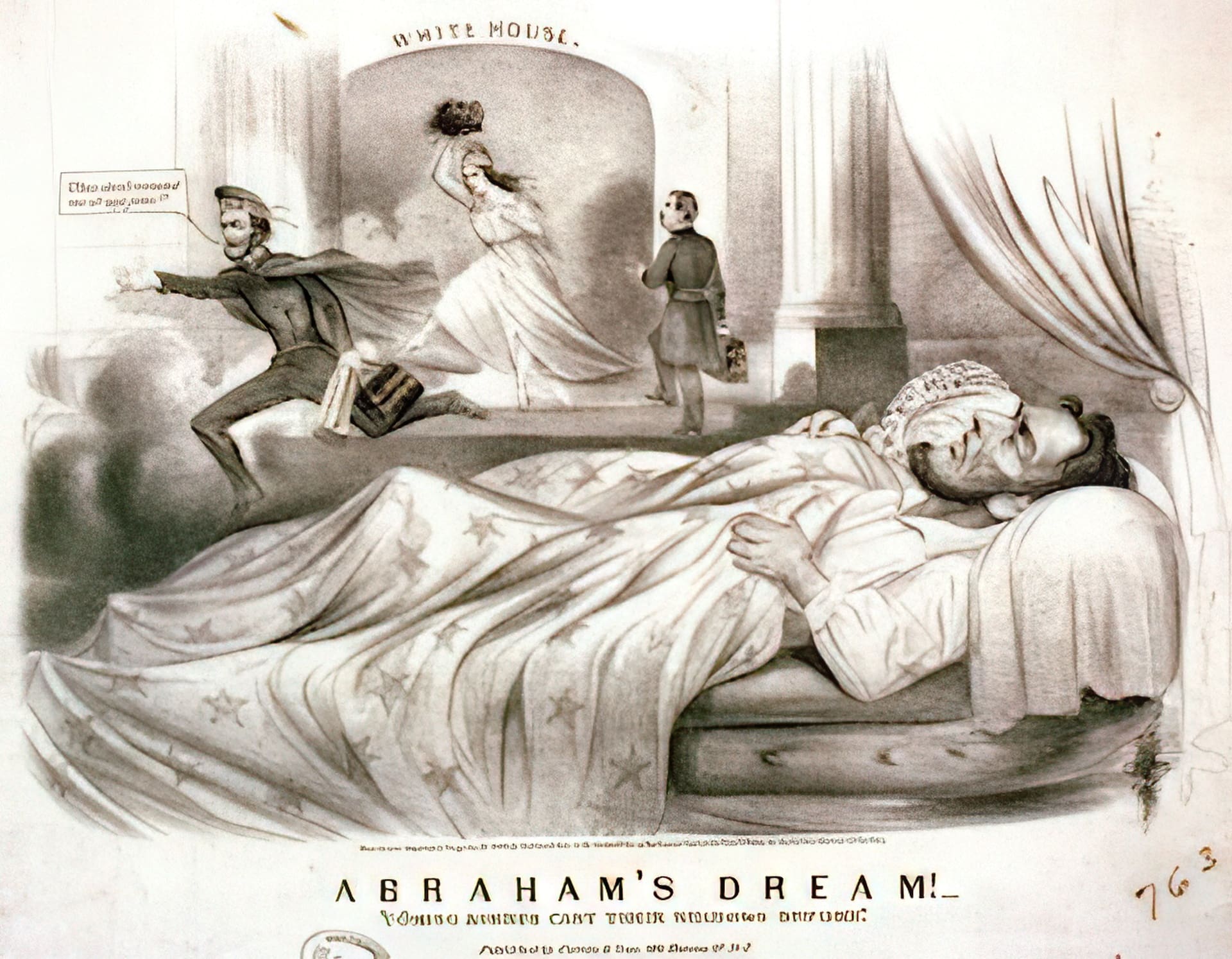
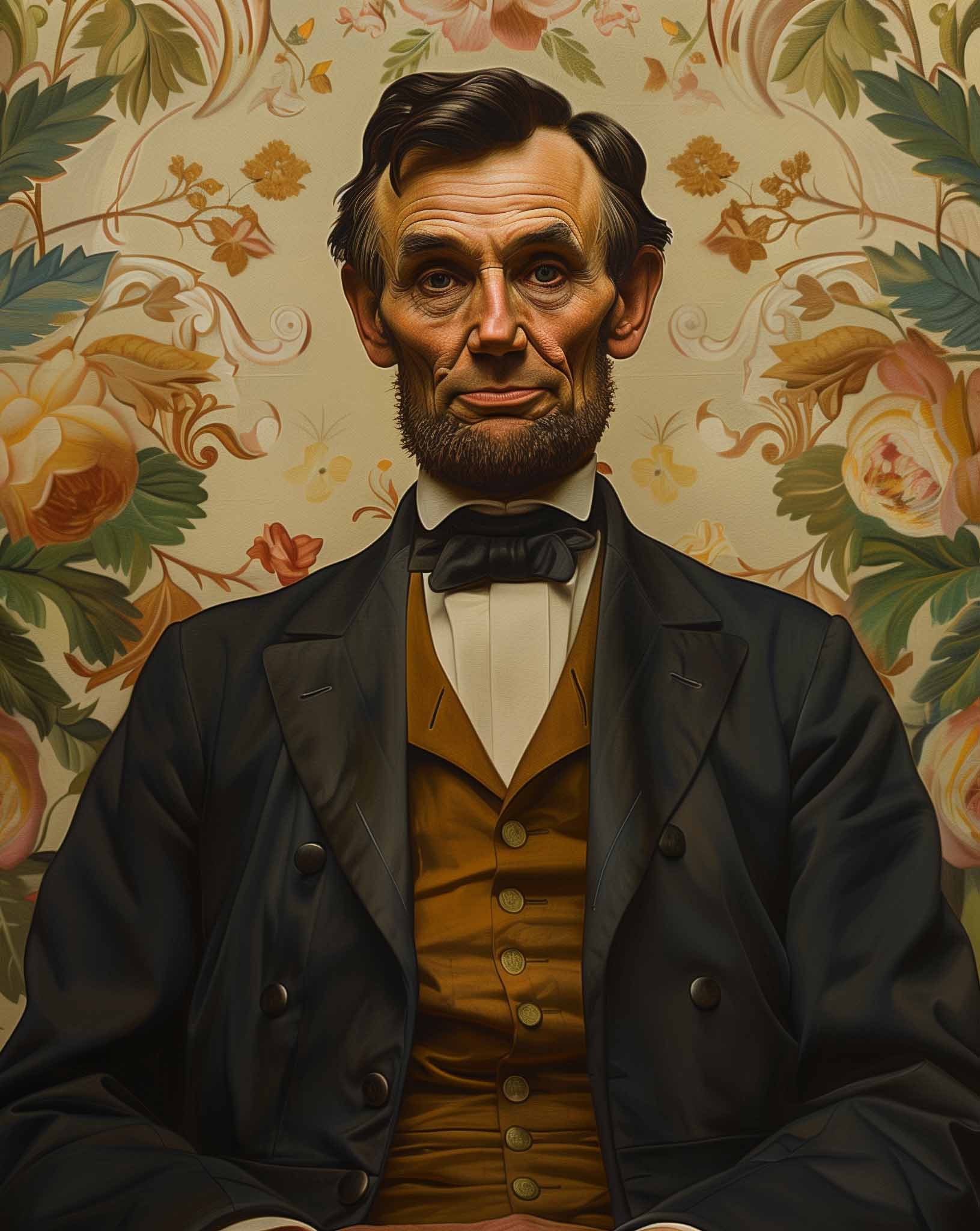
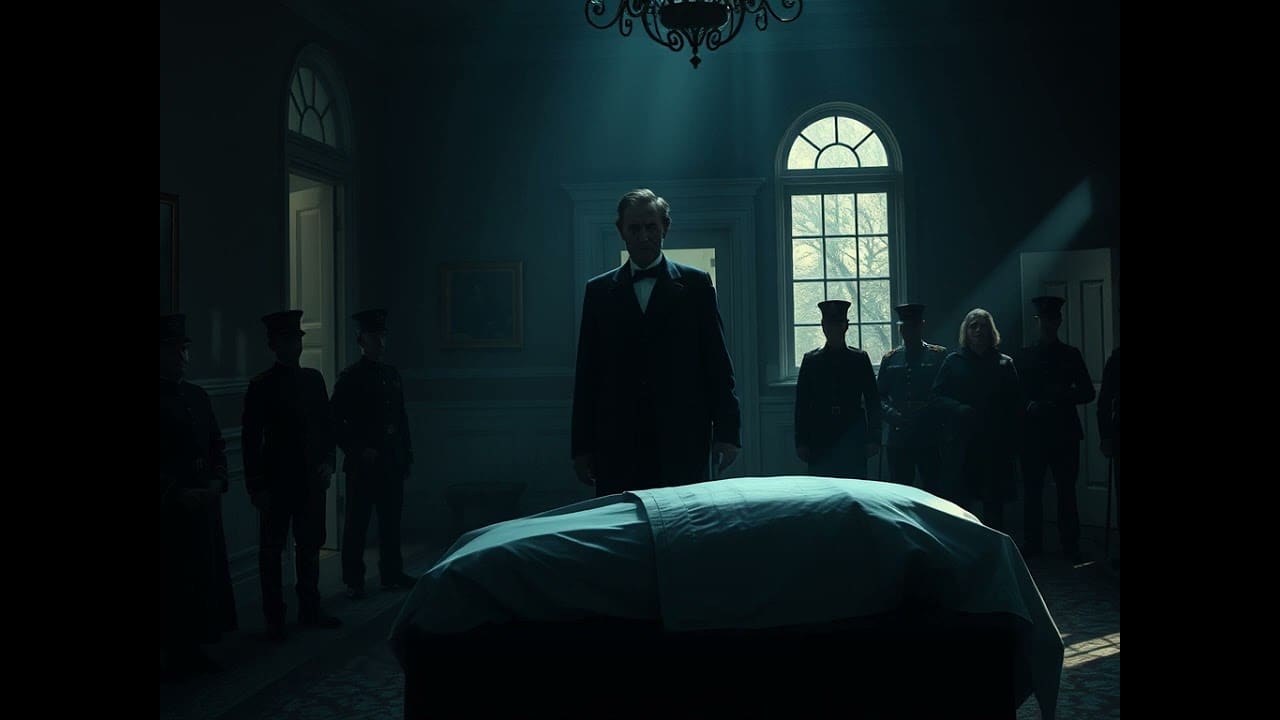
“But the most startling incident in the life of Mr. Lincoln was a dream he had only a few days before his assassination.… I [Ward Hill Lamon] give it as nearly in his own words as I can, from notes which I made immediately after its recital.”[15]
"About ten days ago," said he, "I retired very late. I had been up waiting for important dispatches from the front. I could not have been long in bed when I fell into a slumber, for I was weary. I soon began to dream. There seemed to be a death-like stillness about me. Then I heard subdued sobs, as if a number of people were weeping. I thought I left my bed and wandered downstairs. There the silence was broken by the same pitiful sobbing, but the mourners were invisible. I went from room to room; no living person "was in sight, but the same mournful sounds of distress met me as I passed along. It was light in all the rooms; every object was familiar to me; but where were all the people who were grieving as if their hearts would break? I was puzzled and alarmed. What could be the meaning of all this? Determined to find the cause of a state of things so mysterious and so shocking, I kept on until I arrived at the East Room, which I entered. There I met with a sickening surprise. Before me was a catafalque, on which rested a corpse wrapped in funeral vestments. Around it were stationed soldiers who were acting as guards and there was a throng of people, some gazing mournfully upon the corpse, whose face was covered, others weeping pitifully.' Who is dead in the White House? I demanded of one of the soldiers.' The President,' was his answer;' he was killed by an assassin! ' Then came a loud burst of grief from the crowd, which awoke me from my dream. I slept no more that night; and although it was only a dream, I have been strangely annoyed by it ever since."[16]
Lincoln’s bodyguard, William H. Crook, made this observation as President Lincoln and his wife were leaving the White House on their carriage ride to Ford’s Theatre.
“When I accompanied him to the War Department, he had become depressed and spoke of his belief that he would be assassinated. When we returned to the White House, he said that he did not want to go to the theatre that evening, but that he must go so as not to disappoint the people. In connection with this, it is to be remembered that he was extremely fond of the theatre, and that the bill that evening. Our American Cousin, was a very popular one. When he was about to enter the White House he said “Good-bye,” as I never remember to have heard him say before when I was leaving for the night.
These things have a curious interest. President Lincoln was a man of entire sanity. But no one has ever sounded the spring of spiritual insight from which his nature was fed. To me it all means that he had, with his waking on that day, a strong prescience of coming change.”[17]
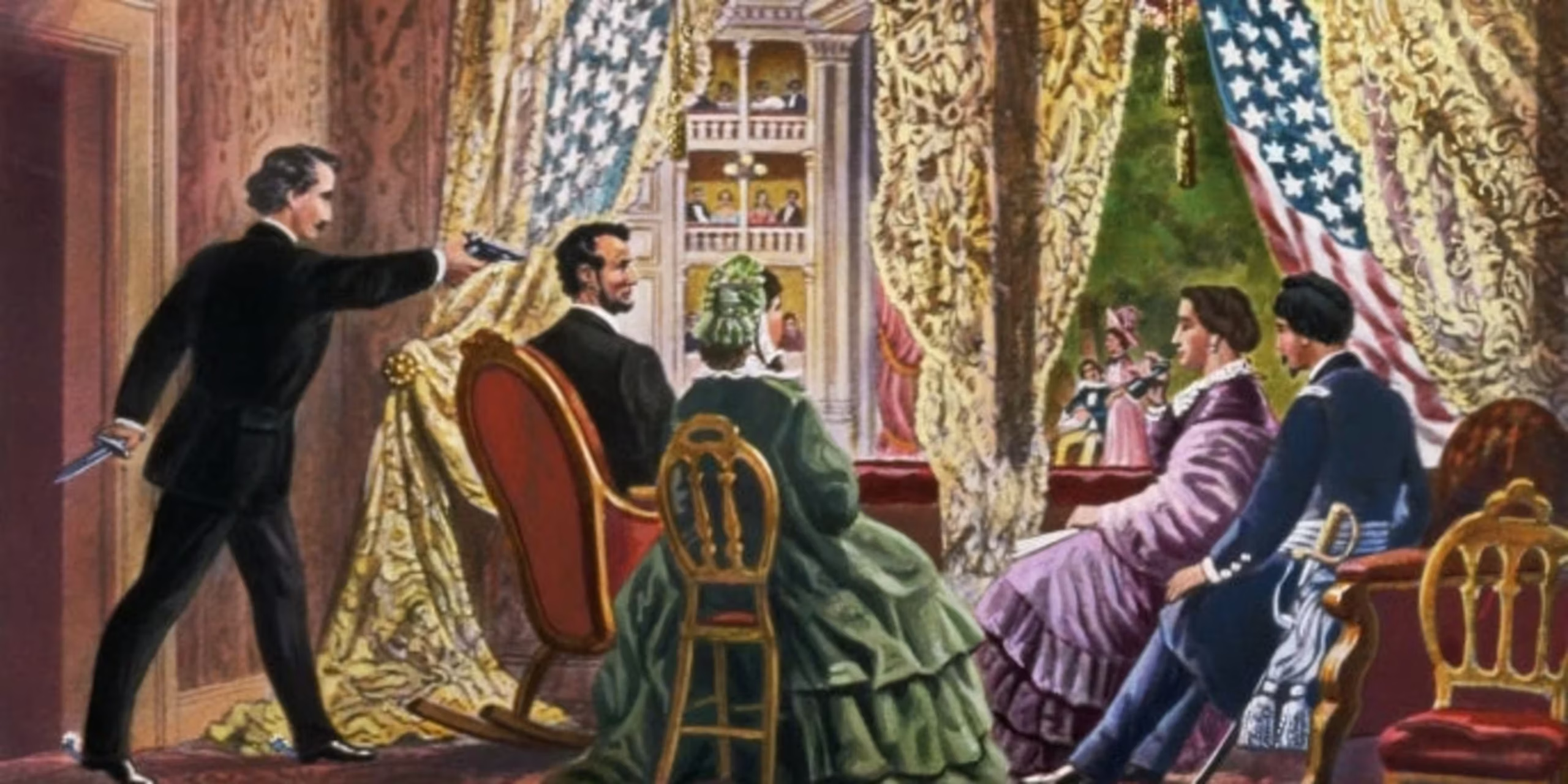
“On the night of the fatal 14th of April, 1865, when the President was assassinated, Mrs. Lincoln’s first exclamation was, “His dream was prophetic!””[18]
Footnotes
[1] Lamon, Ward Hill. Recollections of Abraham Lincoln, 1847-1865. Chicago, IL: A.C. McClurg and Company, 1895. p.110.
[2] Lamon, Ward Hill. Recollections of Abraham Lincoln, 1847-1865. Chicago, IL: A.C. McClurg and Company, 1895. pp.111-112.
[3] Sandburg, The War Years. Vol. 2. NY: Harcourt, Brace & Company, 1939. p. 93. Quoted by: Martinez, Susan B. The Psychic Life of Abraham Lincoln. Franklin Lakes, NJ: New Page Books, 2007. p. 184.
[4] Sandburg, The War Years. Vol. 2. NY: Harcourt, Brace & Company, 1939. p. 592. Quoted by: Martinez, Susan B. The Psychic Life of Abraham Lincoln. Franklin Lakes, NJ: New Page Books, 2007. p. 184.
[5] Martinez, Susan B. The Psychic Life of Abraham Lincoln. Franklin Lakes, NJ: New Page Books, 2007. p. 184.
[6] Balsiger, David, and Charles E. Sellier, Jr. The Lincoln Conspiracy. Los Angeles, CA: Schick Sunn Classic Books, 1977.p. 18. Quoted by: Martinez, Susan B. The Psychic Life of Abraham Lincoln. Franklin Lakes, NJ: New Page Books, 2007. p. 185.
[7] Martin, Joel; Birnes, William J. The Haunting of the Presidents: A Paranormal History of the U.S. Presidency. Old Saybrook, CT: Konecky & Konecky, 2003. p. 256. Quoted by: Martinez, Susan B. The Psychic Life of Abraham Lincoln. Franklin Lakes, NJ: New Page Books, 2007. p. 185.
[8] Taylor Troy, The Haunted President. Decatur, IL: Whitechapel Productions Press, 2005. p. 48. Quoted by: Martinez, Susan B. The Psychic Life of Abraham Lincoln. Franklin Lakes, NJ: New Page Books, 2007. p. 185.
9] Shirley, Ralph. A Short Life of Lincoln. London, UK: Wm, Rider &Son, 1920. p. 176. Quoted by Fleckles, Elliott V. Willie Speaks Out! The Psychic World of Abraham. Lincoln. St. Paul, MN: Llewellyn Publications, 1974. p. 125.
[10] Prince, Walter. Noted Witnesses of Psychic Occurrences. Boston, MA: University Books, Inc., 1963. Introduction vii. Quoted by Fleckles, Elliott V. Willie Speaks Out! The Psychic World of Abraham. Lincoln. St. Paul, MN: Llewellyn Publications, 1974. p. 125.
[11] Fleckles, Elliott V. Willie Speaks Out! The Psychic World of Abraham. Lincoln. St. Paul, MN: Llewellyn Publications, 1974. p. 125.
[12] Shelton, Harriet M. Abraham Lincoln Returns. NY: Evans Pub. Co., 1957. p. 205.
[13] Shelton, Harriet M. Abraham Lincoln Returns. NY: Evans Pub. Co., 1957. p. 206.
[14] Martinez, Susan B. The Psychic Life of Abraham Lincoln. Franklin Lakes, NJ: New Page Books, 2007. p. 185.
[15] Lamon, Ward Hill. Recollections of Abraham Lincoln, 1847-1865. Chicago, IL: A.C. McClurg and Company, 1895. p.113.
[16] Lamon, Ward Hill. Recollections of Abraham Lincoln, 1847-1865. Chicago, IL: A.C. McClurg and Company, 1895. pp.115-116.
[17] Gerry, Margarita Spalding. Through Five Administrations: Reminiscences of Colonel William H. Crook, Body-Guard to President Lincoln. NY: Harper & Brothers Publishers, 1910. p. 76.
[18] Lamon, Ward Hill. Recollections of Abraham Lincoln, 1847-1865. Chicago, IL: A.C. McClurg and Company, 1895. p.119.