
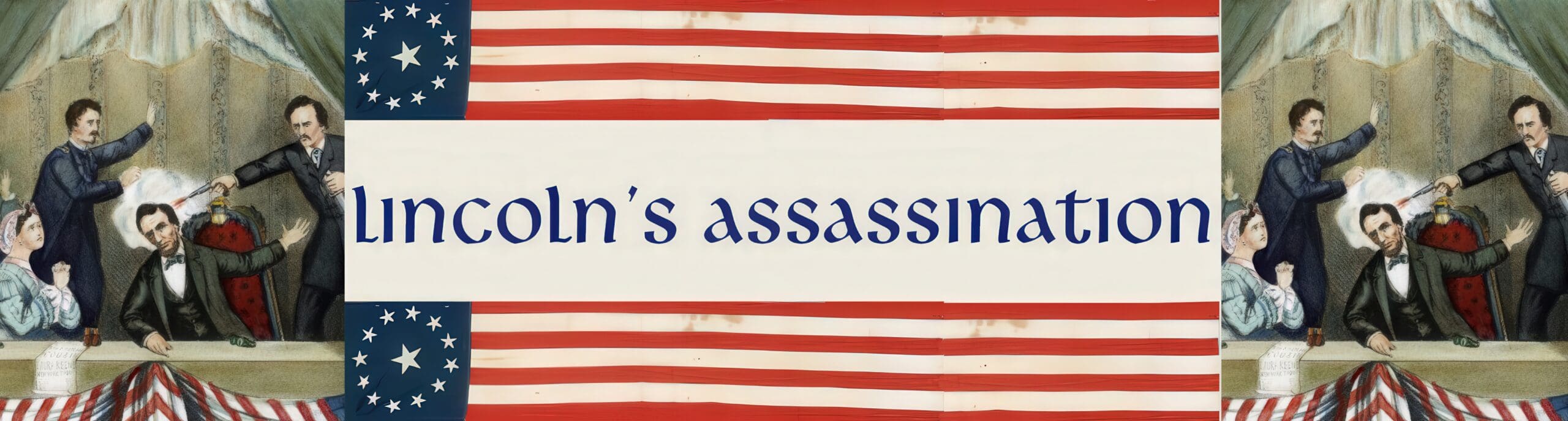
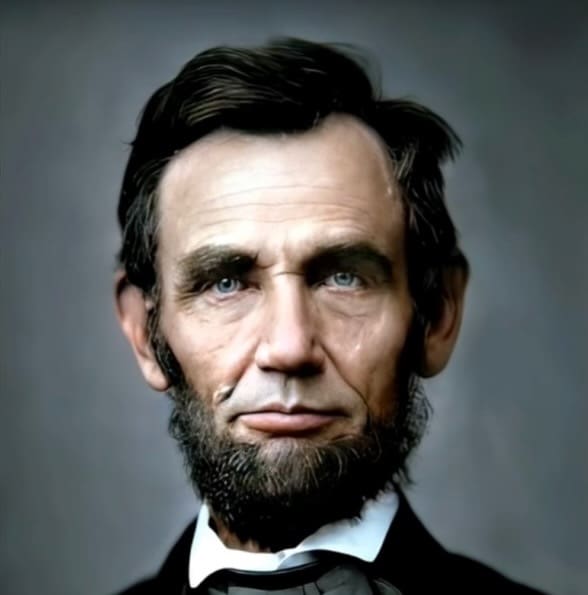
Lincoln was a great fan of the theater; it was one of the few outlets he had during the Rebellion to relieve him of the constant cares of prosecuting the war.[1] But on the night of April 14, 1865, Lincoln was reluctant to attend the play at Ford’s Theater. Perhaps it was because of the premonitions he received in his dreams.
[1] Coleman, Christopher Kiernan. The Paranormal Presidency of Abraham Lincoln: Presentiments, Precognition, Prophetic Dreams, & Other Uncanny Encounters of the 16th President of the United States. Atglen, PA: Schiffer Pub., 2012. p. 126.
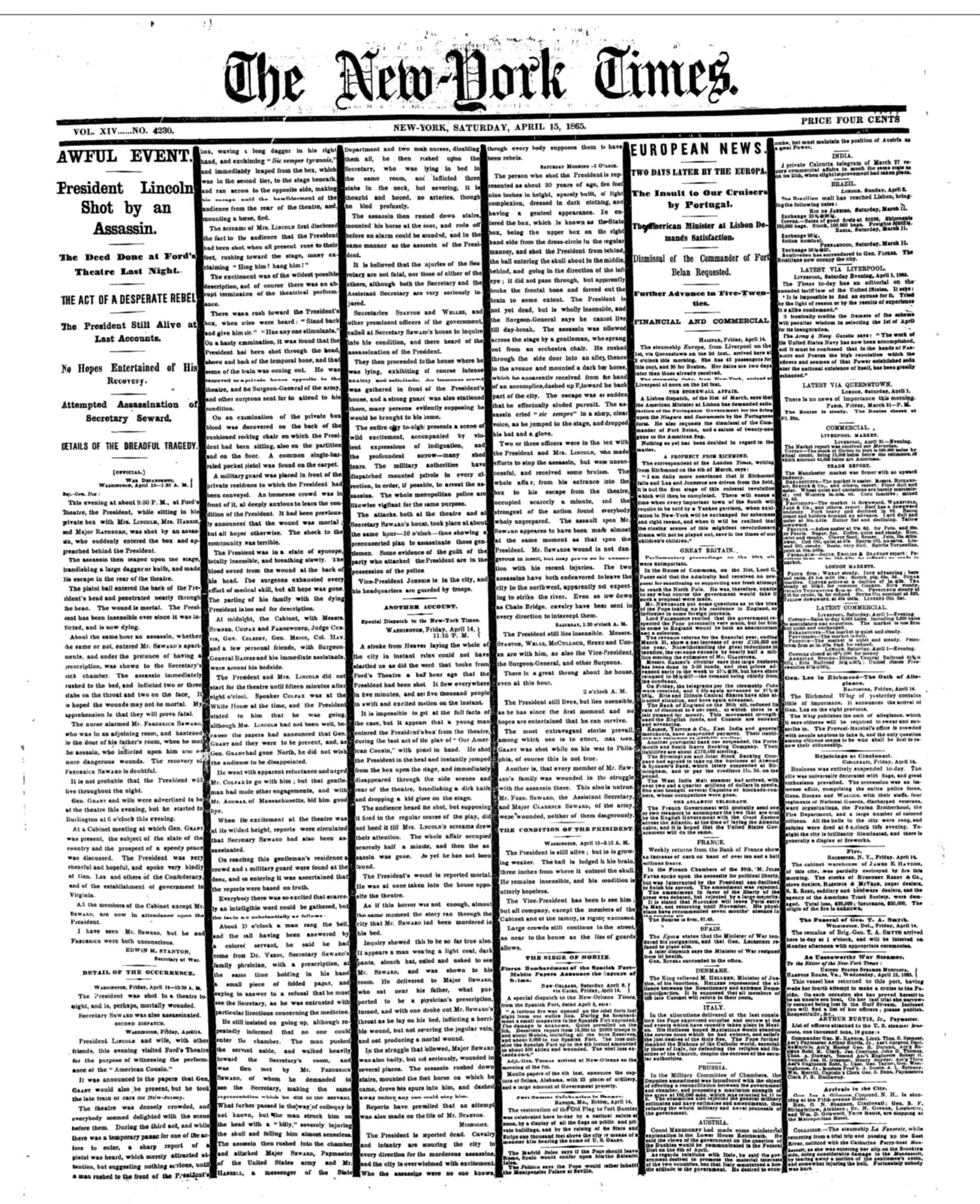
The New York Times reports:
The President and Mrs. Lincoln did not start for the theatre until fifteen minutes after night o'clock. Speaker Colfax was at the White House at the time, and the President stated to him that he was going, although Mrs. Lincoln had not been well, because the papers had announced that Gen. Grant and they were to be present, and, as Gen. Grant gone North, he did not wish the audience to be disappointed.
He went with apparent reluctance and urged Mr. Colfax go with him; but that gentleman had made other engagements, and with Mr. Ashman, of Massachusetts, bid him good bye.[1]
[1] “Awful Event: President Lincoln Shot by an Assassin.” New York Times 15 April 1965.
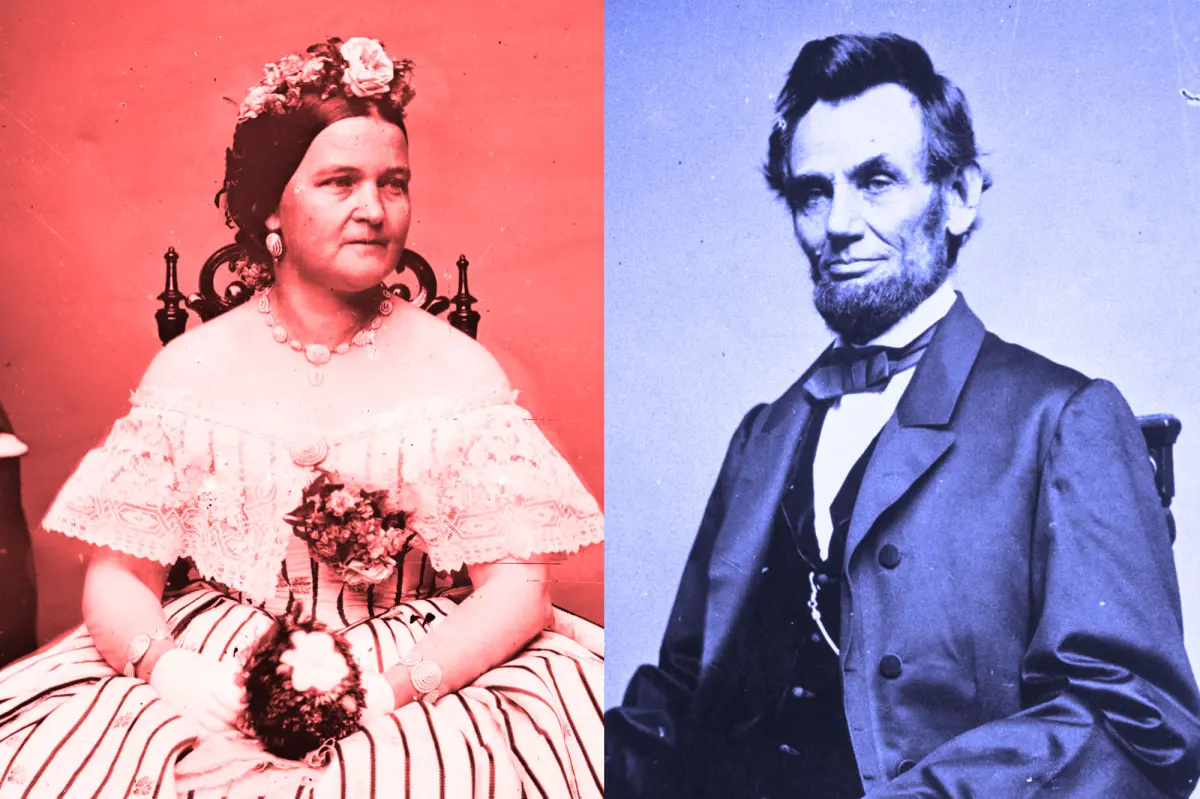
On that evening, however, he [Lincoln] was not inclined to go at all, but Mother [Mrs. Lincoln] urged him on. “All right, Mary,” he said, “I'll go, but if I don’t go down in history as the martyred President, I’ll miss my guess.”[1]
[1] Shirley, Ralph. A Short Life of Lincoln. London, UK: Wm. Rider & Son, 1920. Quoted by: kles, Elliott V. Willie Speaks Out! The Psychic World of Abraham. Lincoln. St. Paul, MN: Llewellyn Publications, 1974. p. 153.
After Lincoln’s Death
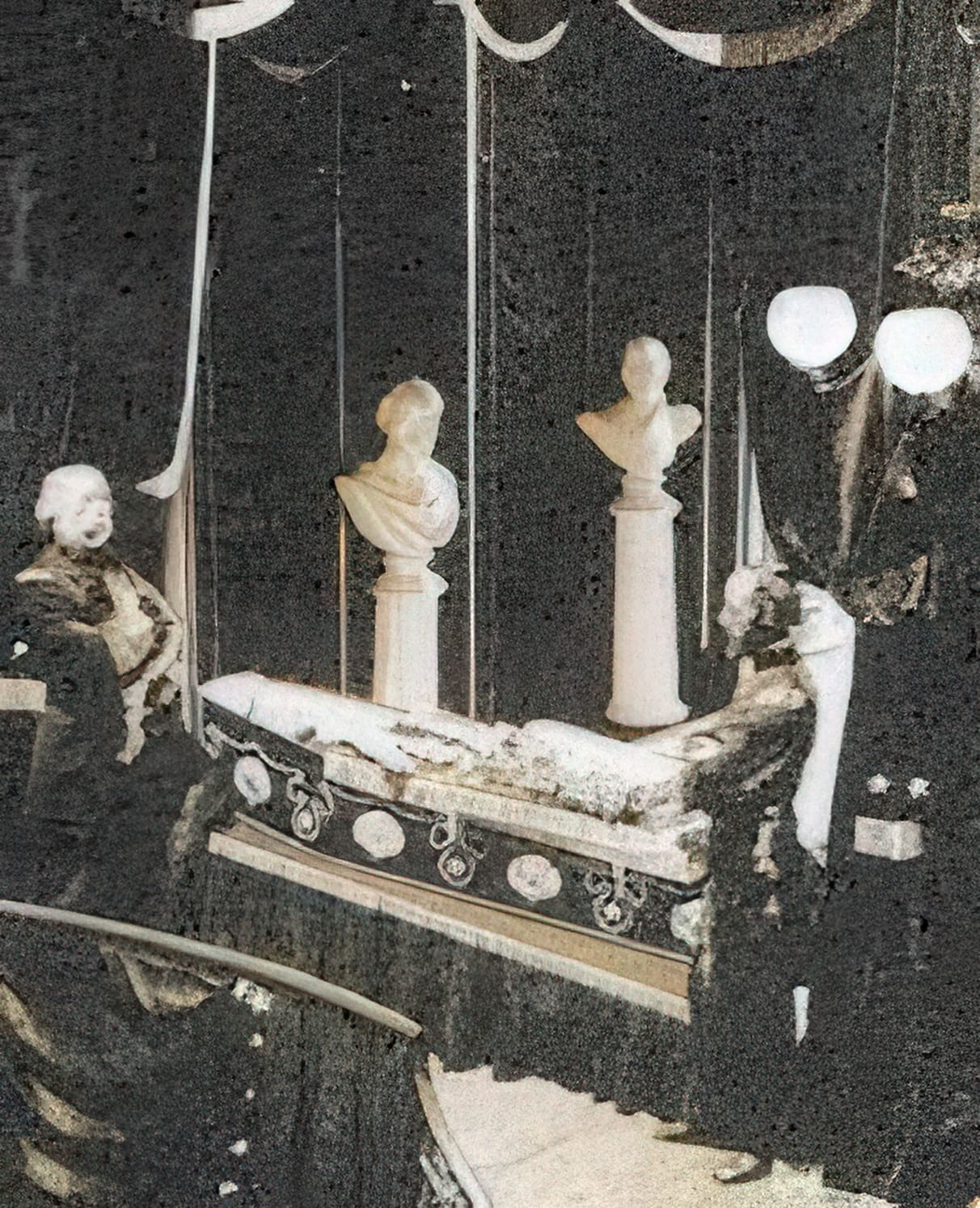
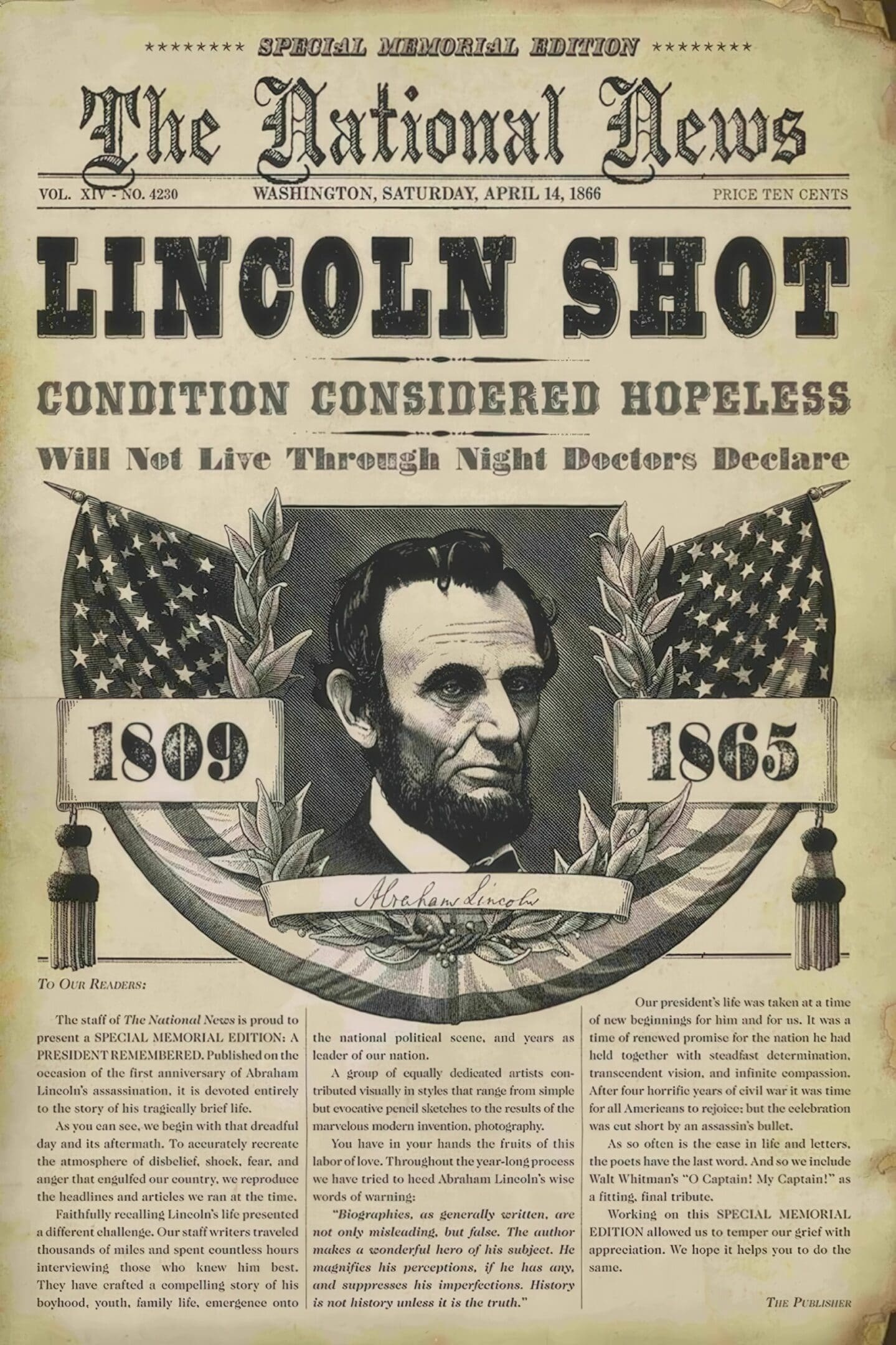
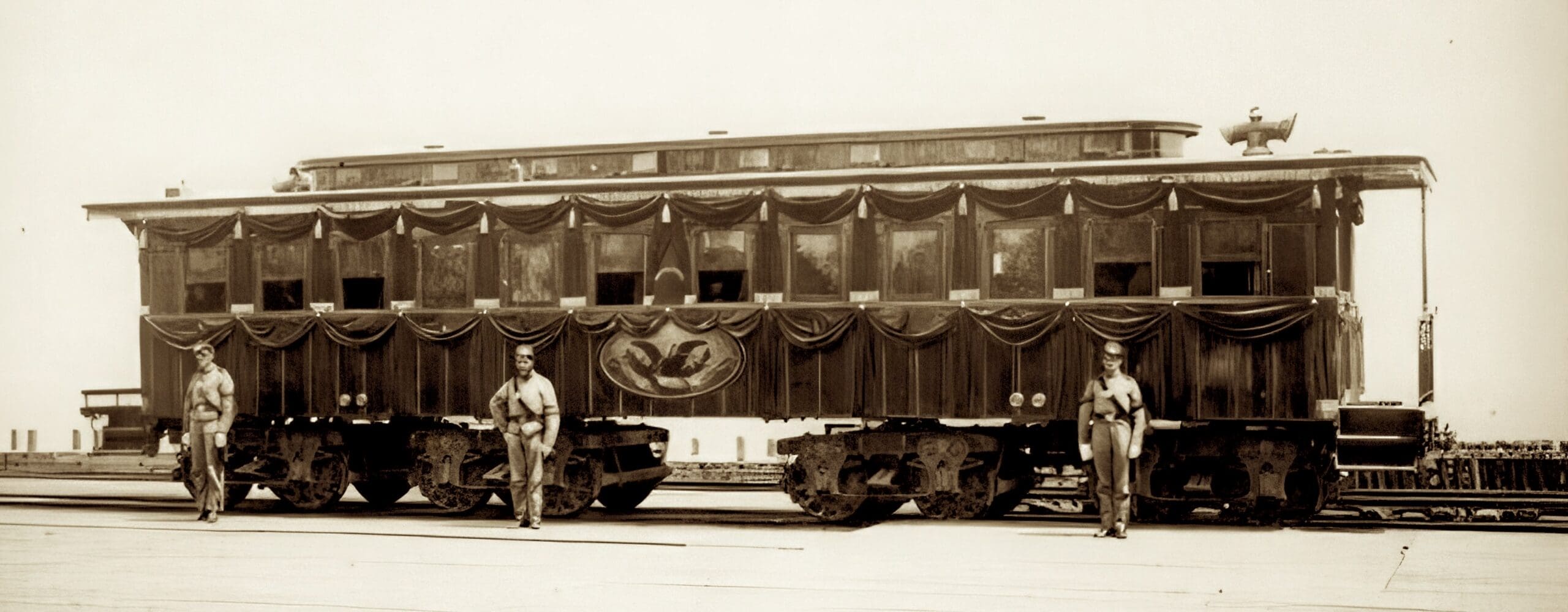
Indeed, it was not until he passed from the earth that the label of "prophet" would adhere to his name; or, as Lloyd Lewis put it, until the American people "saw the aureole of a prophet around his head. It was like a prophet to foresee his own fate as well as the destiny of his country.... [T]he Republic felt that it couldn't account for him at all unless it were to believe that he had been brought by supernatural powers on an errand of sacrifice."[4] From the pulpit and the press, he would be likened to the prophet Moses who brought his people through the wilderness, but lived not to see the Promised Land. Or Jesus, who was savior of the people and, in the Passion and Sacrifice, died on Good Friday (April 14).[5]
Many people feel there are no coincidences in life. Good Friday in 1865 was on April 14, 1865. This date is historically significant as it was the day President Abraham Lincoln was assassinated by John Wilkes Booth at Ford's Theatre. Lincoln died the following morning, and the nation mourned him on what became known as "Black Easter."[6]

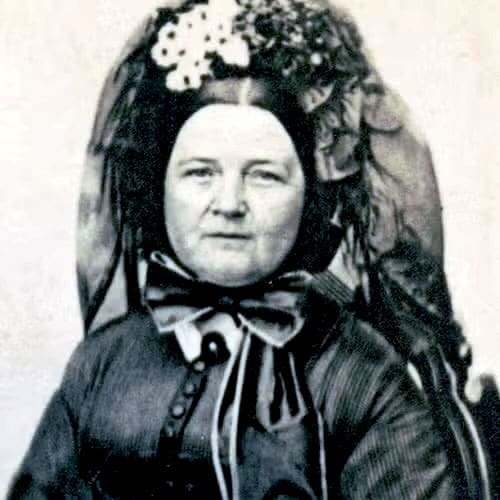
Mary Todd Lincoln
Her Life as a Widow
Mary Todd Lincoln consulted a number of mediums throughout her life, especially during periods of profound grief. After the death of her son Willie in 1862, and later after the assassination of her husband and the death of her son Tad, she desperately sought contact with her deceased loved ones.
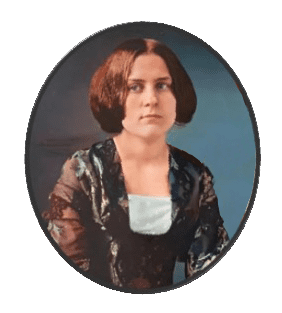
Mary Todd Lincoln also reportedly consulted with one of the famous Fox sisters, Margaret Fox. After Lincoln's death, a grieving Mary is said to have sought out Margaret Fox, under an assumed name. A Boston newspaper reported that Mary Lincoln had attended a public séance with Fox, where the medium claimed the spirit of Lincoln appeared. Fox allegedly used this encounter to publicly reveal Mary's attempt to remain anonymous.
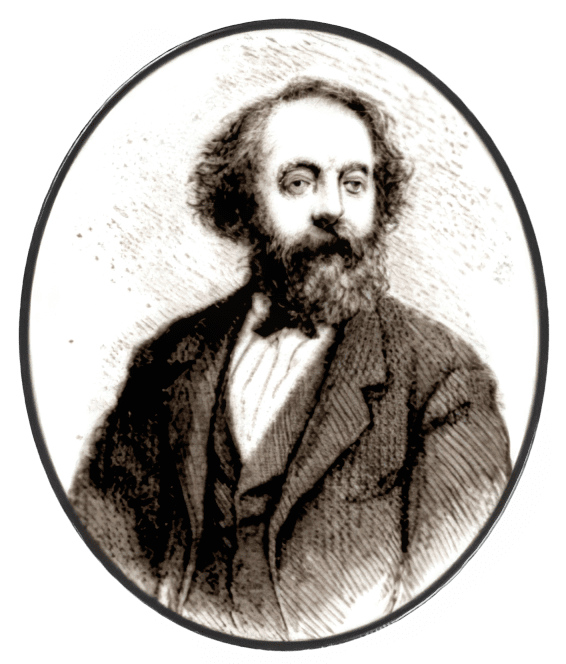
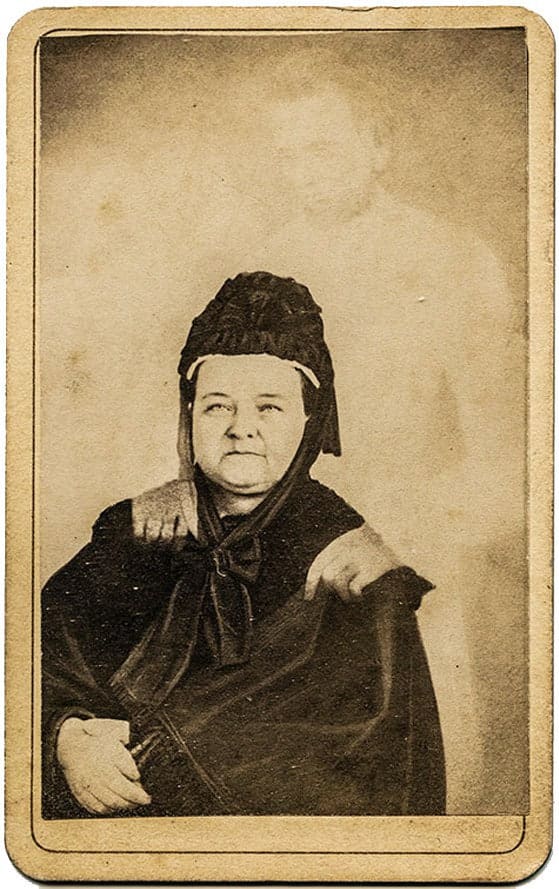
Mrs. Lincoln sits for a Spirit Portrait with William H. Mumler.
A year after Tad's death Mary Lincoln visited the studio of the notorious spirit photographer William H. Mumler. The Boston photographer had gained notoriety in the press during the 1860's for his spirit photographs.[7] … According to Mumler, the former First Lady visited his studio and gave her name as Mrs. Lindall.[8] Swathed in black, the photographer claimed that he did not recognize Mary Lincoln.
A few days later, Mary returned to the studio to pick up her photograph. When another customer turned to Mary and asked her if she recognized the spirit in the image, Mrs. Mumler who claimed to be a medium became entranced by the spirit of Tad. Turning to Mary, Mrs. Mumler declared, "Mother, if you cannot recognize father, show the picture to Robert; he will recognize it."[9]
Shocked by Mrs. Mumler's statement, Mary Lincoln revealed her true identity and continued to converse with the medium. According to William H. Mumler, "When my wife resumed her normal condition, she found Mrs. L. weeping tears of joy that she had again found her loved ones, and apparently anxious to learn, if possible, how long before she could join them in their spirit home. But this information of course could not be given."[10]
Footnotes
[1] Hazard Thomas R. “J. B. Conklin at the ‘White House.” Newport Mercury [(Newspaper-Rhode Island]. 16-May 1868. Quoted by: Buescher, John Benedict. The President’s Medium: John Conklin, Abraham Lincoln, and the Emancipation Proclamation. Forest Grove, Oregon: The International Association for the Preservation of Spiritualist and Occult Periodicals, 201, 5. p. 82.
[2] Maynard Nettie Colburn. Was Abraham Lincoln A Spiritualist? or Curious Revelations From A Trance Medium. Philadelphia, PA: Rufus C. Hartranft, 1891. pp. 181-182.
[3] Shelton, Harriet M. Abraham Lincoln Returns. NY: Evans Pub. Co., 1957. p. 209.
[4] Lewis, Lloyd, Myths After Lincoln. NY: Press of the Readers Club, 1941.p. 302. Quoted by: Martinez, Susan B. The Psychic Life of Abraham Lincoln. Franklin Lakes, NJ: New Page Books, 2007. p. 185.
[5] Martinez, Susan B. The Psychic Life of Abraham Lincoln. Franklin Lakes, NJ: New Page Books, 2007. p. 185.
[6] Google Gemini.
[7] Kaplan, Louis. The Strange Case of William Mumler Spirit Photographer. Minneapolis, MN: University of Minnesota Press, 2008. p. 19. Quoted by: Hamilton, Michelle L. “I Would Still Be Drowned in Tears”: Spiritualism in Abraham Lincoln’s White House. 2013. p. 130.
[8] Kaplan, Louis. The Strange Case of William Mumler Spirit Photographer. Minneapolis, MN: University of Minnesota Press, 2008. p. 92. Quoted by: Hamilton, Michelle L. “I Would Still Be Drowned in Tears”: Spiritualism in Abraham Lincoln’s White House. 2013. p. 131.
[9] Kaplan, Louis. The Strange Case of William Mumler Spirit Photographer. Minneapolis, MN: University of Minnesota Press, 2008. p. 93. Quoted by: Hamilton, Michelle L. “I Would Still Be Drowned in Tears”: Spiritualism in Abraham Lincoln’s White House. 2013. p. 131.
[10] Kaplan, Louis. The Strange Case of William Mumler Spirit Photographer. Minneapolis, MN: University of Minnesota Press, 2008. p. 93. Quoted by: Hamilton, Michelle L. “I Would Still Be Drowned in Tears”: Spiritualism in Abraham Lincoln’s White House. 2013. p. 131.