
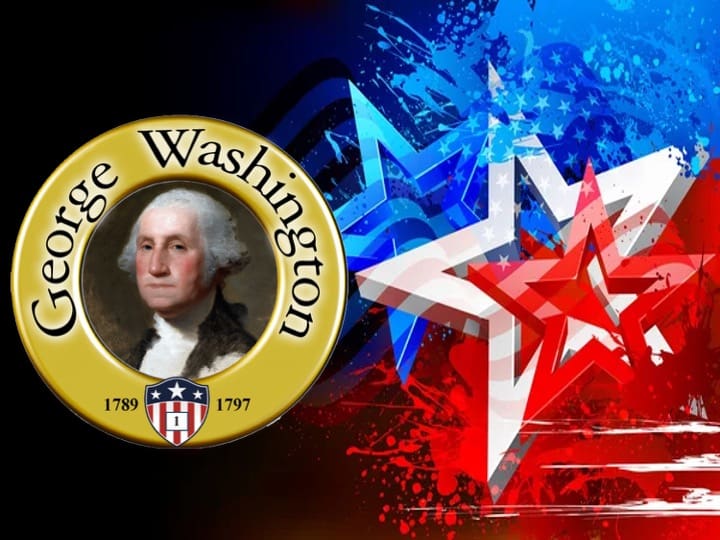
George Washington served as Commander-in-Chief of the Continental Army during the American Revolutionary War and was a central figure in the founding of the United States. His military experience, leadership, and personal fortitude were crucial to securing American independence. George Washington died on December 14, 1799, at his Mount Vernon estate in Virginia. He was 67 years old.
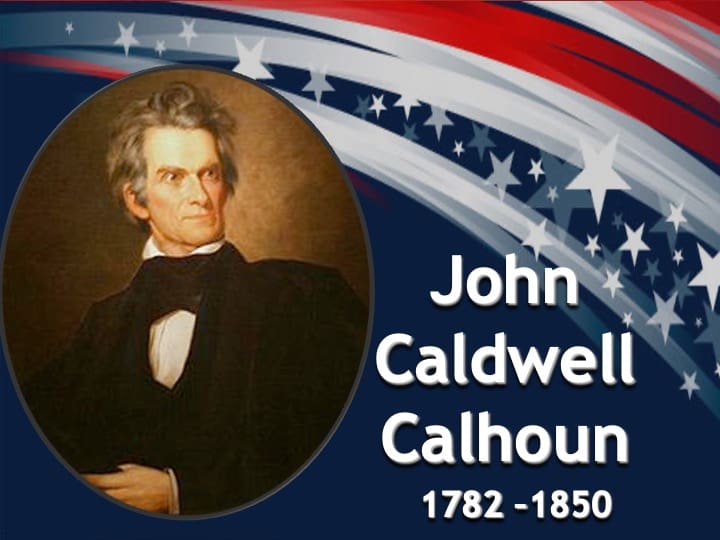
John C. Calhoun was a native of South Carolina. He served as a U. S. Congressman, a U. S. Senator, and the Vice-President of the United States. Calhoun was pro-slavery.
In the evening in early 1850, while Calhoun was in his Washington, D. C., home—the Old Brick Capitol Building—he looked up and saw the ghostly form of President George Washington!
Washington clairaudiently warned Calhoun about the dangers of secession. Calhoun believed he had psychic abilities and heard Washington's words. Calhoun predicted that secession would occur in the next decade. Calhoun died shortly after this experience.[1]
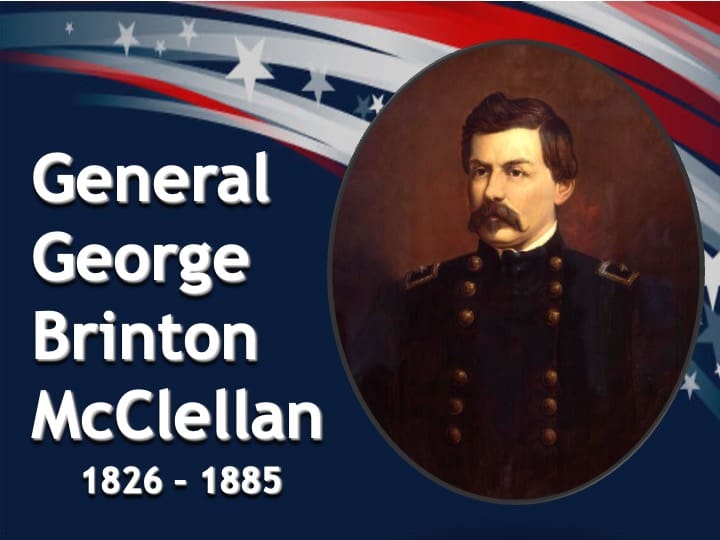
General George Brinton McClellan
General George B. McClellan was 34 years old, a West Point graduate, and had just been appointed Commanding General of the Union Army, 3 days before. It was past midnight, and McClellan was still studying his maps and planning military strategy. It was 2 a.m., and McClellan, becoming drowsy, put his head on his arms and napped for 10 minutes. Suddenly, the locked door opened, and woke McClellan up. He felt a hand on his shoulder and then heard a "solemn voice" say: "General McClellan, do you sleep on your post?" Rouse you, or ere it can be prevented, the foe will be upon Washington."
He tried to lift his head, but was unable to. Again, the voice said: "General McClellan, do you sleep on your post?" He managed to lift his head and saw "a living map."
The voice said: "General McClellan, you have been betrayed, and had not God willed otherwise, ere the sun of tomorrow had set, the Confederate flag would have floated above your own grave. But note what you see. Your time is short. Tarry not. After these words, McClellan then recognized the apparition as George Washington.
General McClellan interpreted this to mean the American Union would be saved. However, McClellan only led the army for one year before President Lincoln replaced him. Washington told McClellan to "Tarry not." It was McClellan's procrastination that caused his dismissal.[2]
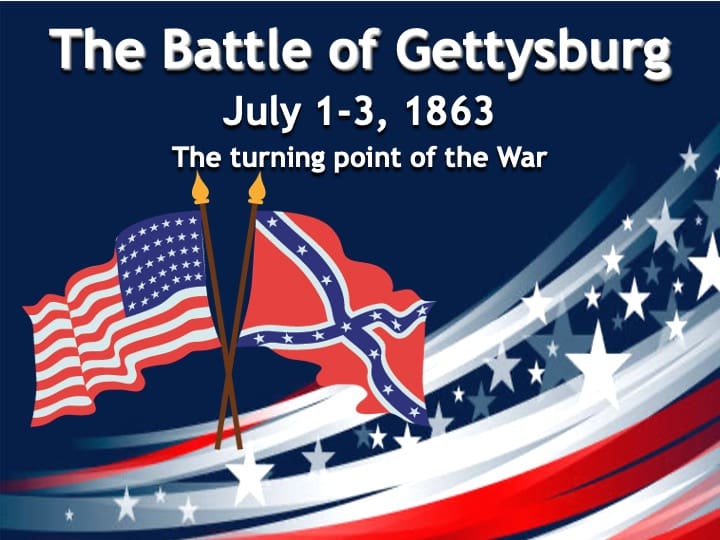
The Battle of Gettysburg was a decisive Union victory fought from July 1–3, 1863, in and around Gettysburg, Pennsylvania. It is considered the major turning point of the Civil War and was the bloodiest battle of the war, with over 50,000 estimated casualties.
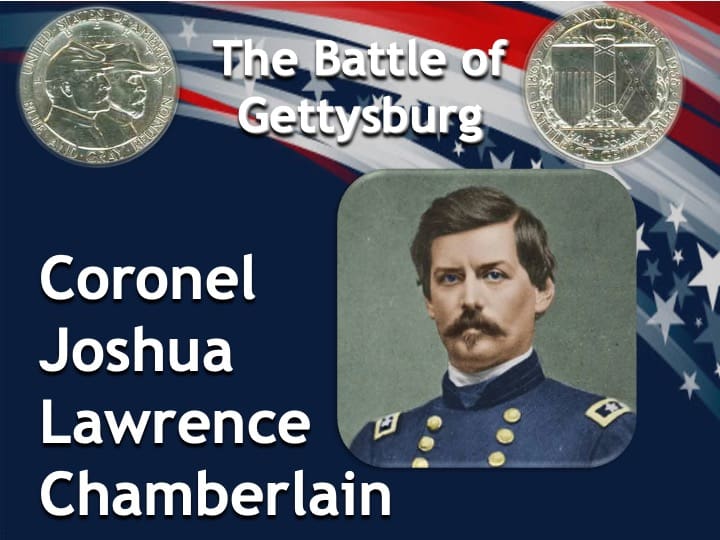
The Union Army's 20th Maine Regiment was under the command of Colonel Joshua Chamberlain, a thirty-three-year-old former college professor with a theology background but no prior military leadership experience. He told this story:
"At the turn of the road, a staff officer, with an air of authority, told each colonel as he came up: "General McClellan is in command again, and he's riding up ahead of us on the road."
However, the figure they saw was not General George McClellan; it was General George Washington! Washington had been in the Spirit World for 64 years.
It was important to Washington that the Union of the States survive!
Word spread quickly that the Spirit of General Washington returned to lead them into battle! The troops viewed this as divine intervention. Hundreds of men saw General Washington's Spirit! The three-day battle was ferocious. 50,000 men lost their lives. Washington led the 20th Maine Regiment into battle —a seemingly suicidal mission —to a spectacular victory!
After the battle, Secretary of War Edwin Stanton investigated the claims that George Washington had led the troops. One general, and other officers swore they saw the "ghostly" face of George Washington.[3]
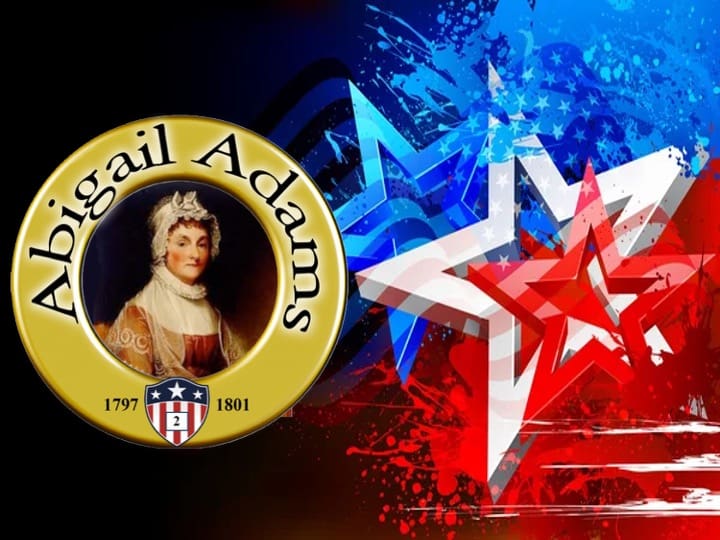
Nearly 100 years after Abigail's passing, her Spirit was seen at the White House during the administration of President William Howard Taft.[4]
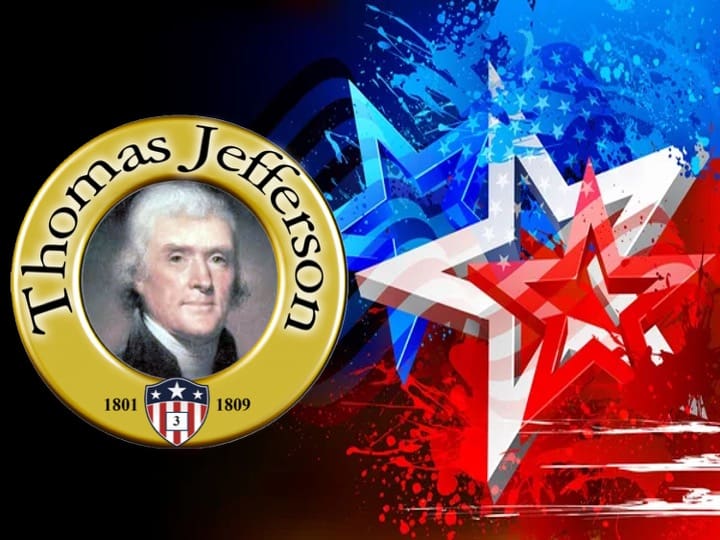
Fifty-five years after Jefferson died, the Spirit of Thomas Jefferson was in the White House. Mary Todd Lincoln told a friend, "My, my, how that Mr. Jefferson does play the violin." It was in the Yellow Oval room, one of Jefferson's favorites.[5]
The War of 1812 occurred during James Madison's presidency. During the War, the British invaded Washington D. C. They burned the Capitol and other government buildings, including the White House. Due to the quick thinking of Dolley Madison, she grabbed the Constitution and the Gilbert Stuart portrait of George Washington as she fled the White House. Only the outer walls of the White House remained standing.
Until the White House could be restored, the Madisons resided in a building called the Octagon House. It was there the Treaty of Ghent, which ended the War of 1812, was signed.
In the 1950's, a man asked the caretaker of the Octagon house if a costume party was taking place, since many people were seen dressed in clothes from the early 1800s. The caretaker answered "no." It was theorized that it was the Spirit of President Madison holding a party."[6]
Dolley Madison's Spirit was again seen in the White House during Woodrow Wilson's administration.[7]
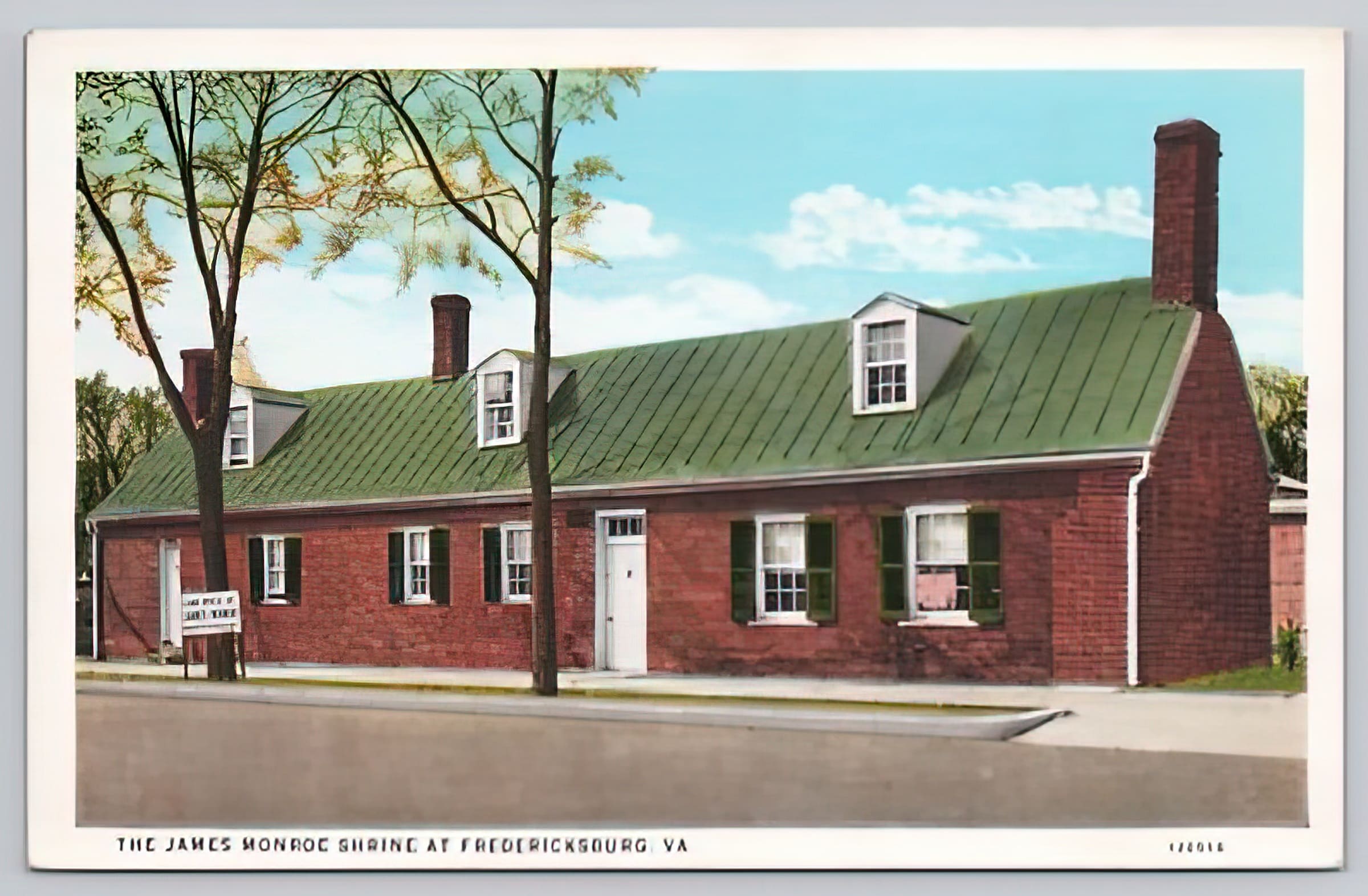
In the 1960s, the spirits of James Monroe and his law teacher, Thomas Jefferson, were seen in Monroe's old law office in Fredericksburg, Virginia.[8]
There was an assassination attempt against President Andrew Jackson. Miraculously, the two guns failed to fire. Surprisingly, the guns were in working order afterward. People considered this to be Divine intervention.[9]
In 1865, 20 years after Andrew Jackson died, Mary Todd Lincoln saw Jackson's Spirit in the White House. She heard Jackson stomping around, cursing & swearing![10]
In the 1950s, a seamstress, Mrs. Parks, who had worked at the White House for 30 years, saw Jackson in the room that was his during his presidency.[11]
In 1964, Jackson's Spirit was seen by LJB's aide. He again was shouting and cursing. Interestingly, Jackson was seen as the Civil War, the Korean War, and the Vietnam War were taking place.[12]
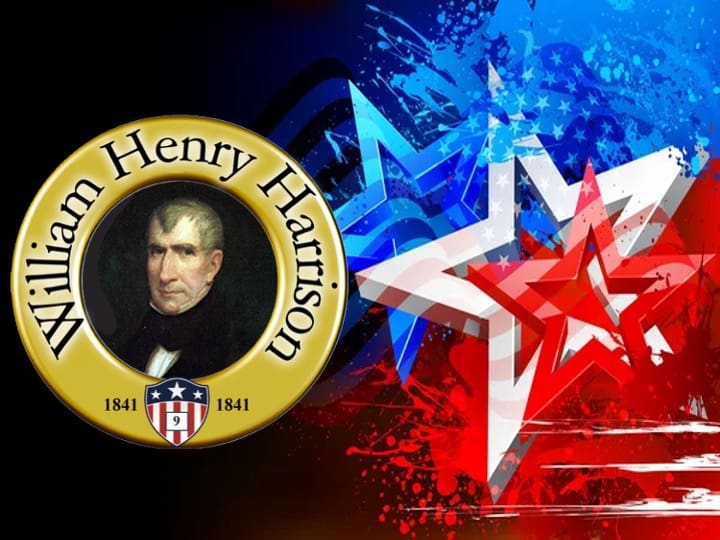
William Henry Harrison died only 30 days after his inauguration as president. His Spirit was seen in the White House a few years later. He was searching through a collection of possessions in the White House attic.[13]
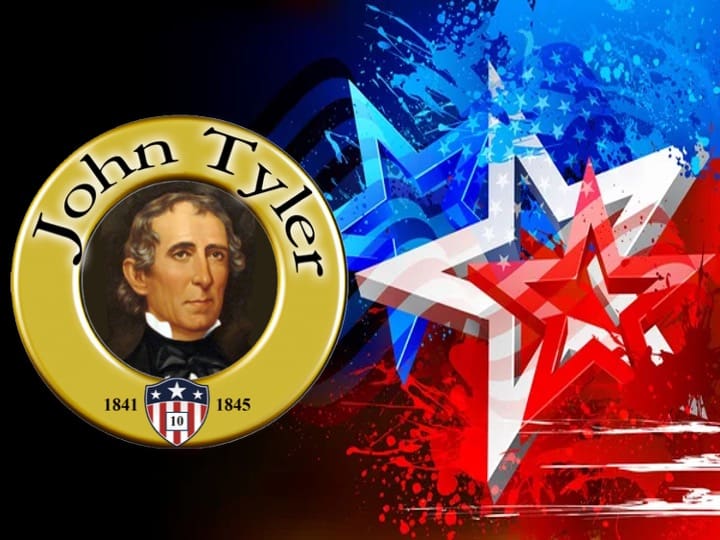
Mary Todd Lincoln saw the Spirit of President Tyler in the Yellow Oval Room of the White House. She heard Tyler propose to Julia Gardiner, who became his second wife after his first wife died. The Spirit of Tyler was reliving the moment of his marriage proposal, which had taken place in the Yellow Oval Room.[14]
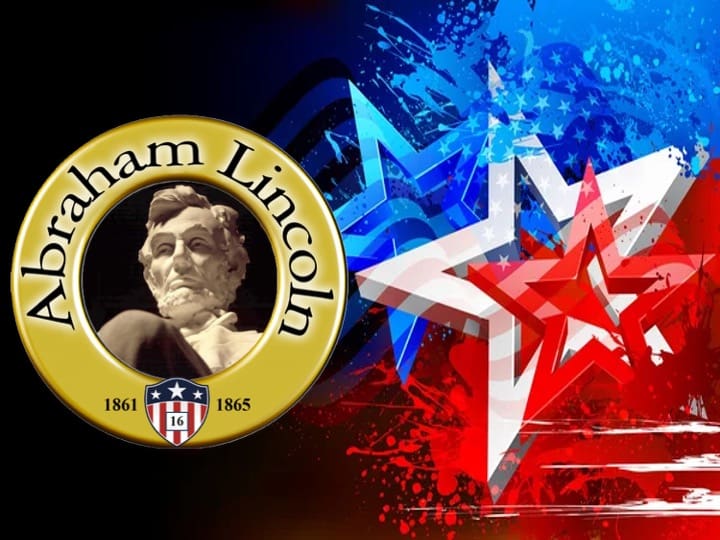
One night in the old Lincoln Bedroom on the second floor of the White House as President Lyndon Johnson’s wife, Lady Bird, watched a TV program about the Lincoln assassination, she sensed the Great Emancipator’s presence. Mrs. Johnson suddenly found herself drawn to a plaque on the mantel that described Lincoln’s association with the room. As she read the inscription, she experienced a shudder, likely the result of Lincoln’s ethereal presence. Most sightings of Lincoln have taken place in the so-called Lincoln Bedroom, which was actually his Cabinet Room, and where he signed the historic Emancipation Proclamation. It was dubbed the Lincoln Bedroom years later when his bed was moved there.[17]
Teddy Roosevelt admitted to friends that he’d confronted the ghost of Lincoln in the White House.[18]
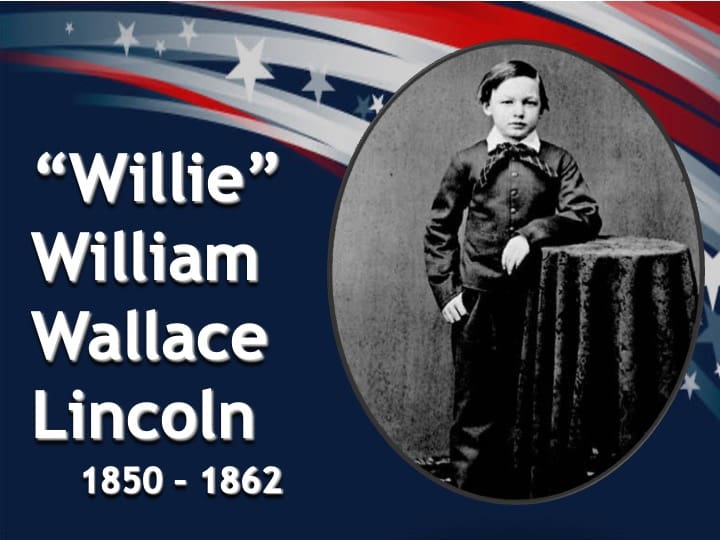
During the Grant administration, White House staff reported seeing the Spirit of Willie Lincoln, President Lincoln's son, materialize in the same room where he had died. It was the first time someone outside the family saw Willie.[19]
Lyndon B. Johnson’s daughter Lynda, lived in the same room where young Willie Lincoln died in 1862. While Lynda never claimed to see the Spirit of Willie Lincoln, she felt his presence. In yet another experience, Lynda answered a late-night knock on her door. When she opened it, no one was there. When she inquired about it the next day, no one she asked admitted to having come to her door.[20]
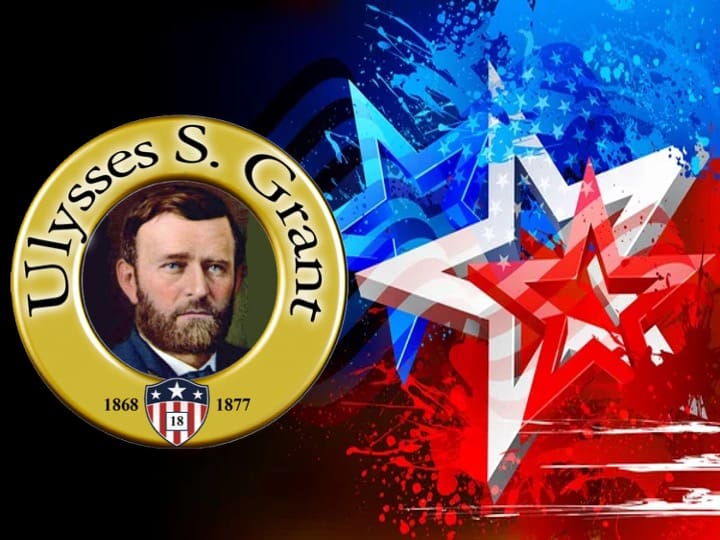
President Grant would take a daily walk from the White House to the Willard Hotel, two blocks away. There, he enjoyed a glass or two of brandy and a cigar. After Grant's passing, visitors to the hotel reported smelling the aroma of his cigars. His Spirit was also seen at Fort Monroe, VA, where he planned his successful Civil War strategy.[21]
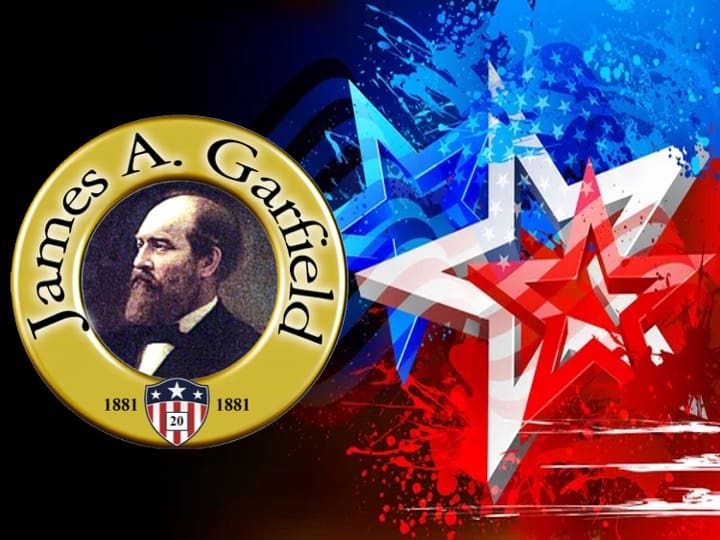
President Garfield was a strong believer in Spirit communication because his father died when Garfield was very young and spoke to him throughout his life. Garfield's father warned him of the danger of his assassination. Unfortunately, the warnings were not heeded. President James A. Garfield was assassinated on July 2, 1881, when he was shot at a Washington, D.C., railroad station.
President Garfield's Spirit returned to Washington, D.C., just after the assassination. Witnesses reported that he was observed haunting the halls of the Capitol Building at the very same time his body was lying in state.[22]
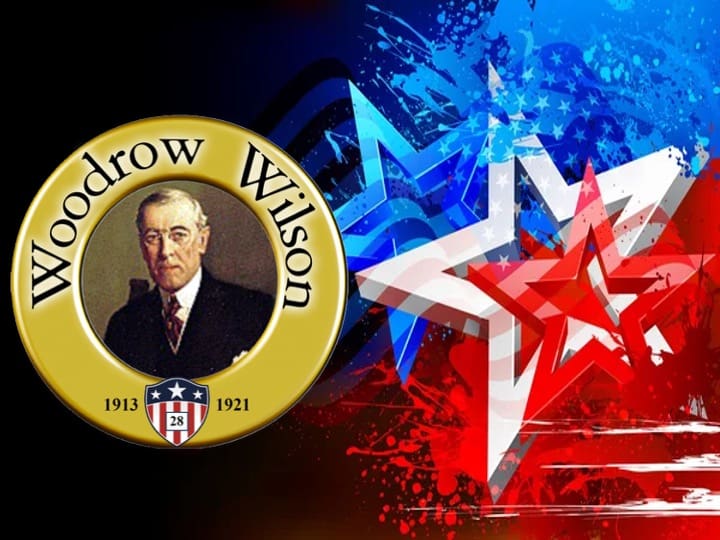
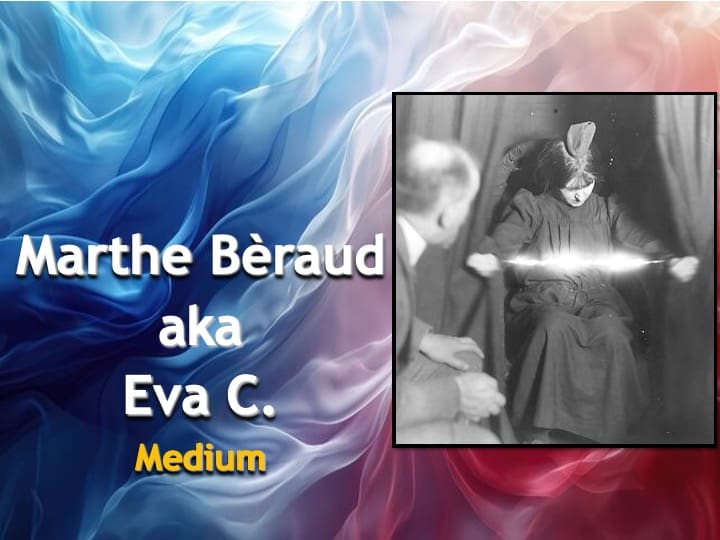
The Spirit of President Woodrow Wilson materialized through the French medium, Marthe Bèraud, also known as Eva C. Materialization is a form of physical mediumship where Spirit shapes ectoplasm into a likeness of the Spirit's physical body. Renowned psychical researcher Charles Richet studied Eva C. extensively and was convinced her mediumship was genuine.[23]
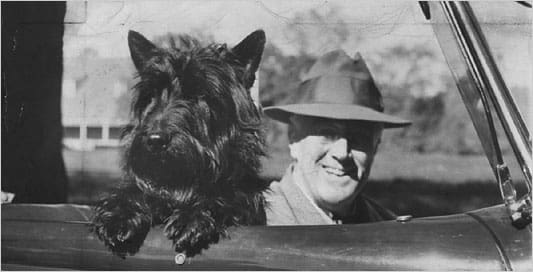
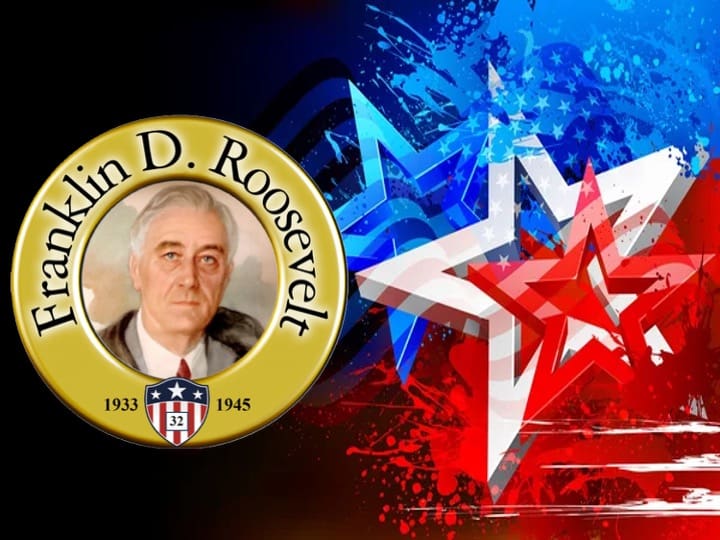
President Franklin D. Roosevelt’s dog, Fala, remained calm and ignored the doctors frantically working on President Roosevelt immediately after he suffered a stroke. However, the moment Roosevelt died, Fala bolted out the screen door and ran up the nearby hill. People present theorized Fala witnessed Roosevelt’s spirit leaving his physical body. During Roosevelt’s funeral, Fala was happily rolling around on the ground, as if he were reunited with Roosevelt’s spirit.[24]
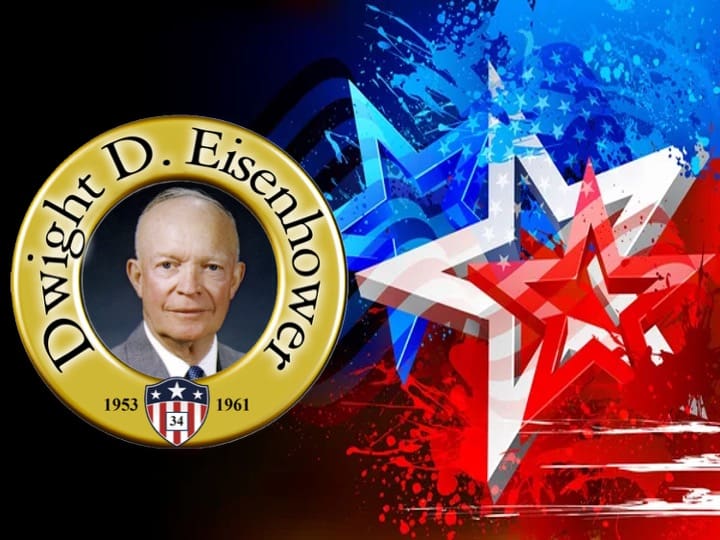
After the Eisenhowers died, their farmhouse became a National Historic Site. Park Rangers began hearing footsteps in the farmhouse. They also saw Mrs. Eisenhower materialize.
In 1982, the medium Anne Gehman arrived at the Eisenhower farmhouse to investigate whether Spirits resided there. She discovered the spirit of Rose Wood was in the house. Rose Wood was Mamie Eisenhower’s personal maid, who had seen the Spirits of Abraham Lincoln and Andrew Jackson while working in the White House.
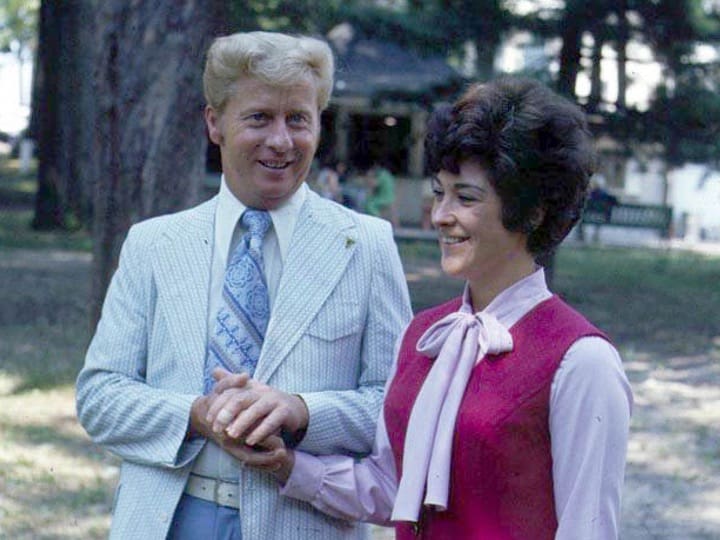
Anne Gehman also saw Mamie Eisenhower’s materialized spirit in the farmhouse. Mamie told Anne that the back stairs, used to exit the house, were unsafe. Gehman had a tough time convincing the Park Service to investigate. Eventually, the investigation was carried out, and the stairs required repair, just as Mamie had explained to Anne. Anne also saw the materialized spirit of President Eisenhower sitting in his favorite chair.[25]
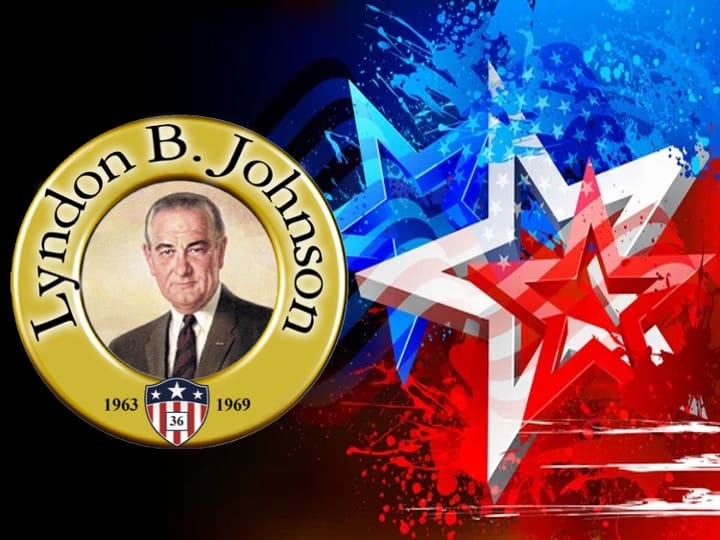
Was President George H. W. Bush honest when he said he’d never encountered or even seen a ghost in the White House? In 1993, a national tabloid reported that Bush might not have told the full story because he actually saw the apparition of President Lyndon B. Johnson. According to the paper, LBJ’s spirit returned to the White House in 1991 during the Persian Gulf War. The timing of LBJ’s ghostly visit wasn’t surprising, given that Johnson’s presidency was marred by the contentious Vietnam War. The Gulf War, the largest U.S. military operation since Vietnam, seemed to bring his spirit back.[26]
President George H. W. Bush was with Secretary of State James Baker and Defense Secretary Richard Cheney at a late-night Oval Office meeting about the Gulf War when an unexplained chill swept through, blowing papers and documents off the president’s desk. Then the lights flickered out, and LBJ’s voice was heard, laughing heartily. The tabloid reported that Bush confided he also heard “footsteps at night and [saw] a tall, gruff, big-eared ghost resembling LBJ.” [27]
Footnotes
[1] Martin, Joel; Birnes, William J. The Haunting of the Presidents: A Paranormal History of the U.S. Presidency. Old Saybrook, CT: Konecky & Konecky, 2003. pp. 36-38.
[2] Martin, Joel; Birnes, William J. The Haunting of the Presidents: A Paranormal History of the U.S. Presidency. Old Saybrook, CT: Konecky & Konecky, 2003. pp. 38-43.
[3] Martin, Joel; Birnes, William J. The Haunting of the Presidents: A Paranormal History of the U.S. Presidency. Old Saybrook, CT: Konecky & Konecky, 2003. pp. 43-46.
[4] Martin, Joel; Birnes, William J. The Haunting of the Presidents: A Paranormal History of the U.S. Presidency. Old Saybrook, CT: Konecky & Konecky, 2003. p. 100.
[5] Martin, Joel; Birnes, William J. The Haunting of the Presidents: A Paranormal History of the U.S. Presidency. Old Saybrook, CT: Konecky & Konecky, 2003. p. 103.
[6] Martin, Joel; Birnes, William J. The Haunting of the Presidents: A Paranormal History of the U.S. Presidency. Old Saybrook, CT: Konecky & Konecky, 2003. p. 107.
[7] Martin, Joel; Birnes, William J. The Haunting of the Presidents: A Paranormal History of the U.S. Presidency. Old Saybrook, CT: Konecky & Konecky, 2003. p. 108.
[8] Martin, Joel; Birnes, William J. The Haunting of the Presidents: A Paranormal History of the U.S. Presidency. Old Saybrook, CT: Konecky & Konecky, 2003. p. 104.
[9] Martin, Joel; Birnes, William J. The Haunting of the Presidents: A Paranormal History of the U.S. Presidency. Old Saybrook, CT: Konecky & Konecky, 2003. p. 119.
[10] Martin, Joel; Birnes, William J. The Haunting of the Presidents: A Paranormal History of the U.S. Presidency. Old Saybrook, CT: Konecky & Konecky, 2003. p. 120.
[11] Martin, Joel; Birnes, William J. The Haunting of the Presidents: A Paranormal History of the U.S. Presidency. Old Saybrook, CT: Konecky & Konecky, 2003. p. 121.
[12] Martin, Joel; Birnes, William J. The Haunting of the Presidents: A Paranormal History of the U.S. Presidency. Old Saybrook, CT: Konecky & Konecky, 2003. pp. 121-122.
[13] Martin, Joel; Birnes, William J. The Haunting of the Presidents: A Paranormal History of the U.S. Presidency. Old Saybrook, CT: Konecky & Konecky, 2003. p. 123.
[14] Martin, Joel; Birnes, William J. The Haunting of the Presidents: A Paranormal History of the U.S. Presidency. Old Saybrook, CT: Konecky & Konecky, 2003. p. 123.
[15] Martin, Joel; Birnes, William J. The Haunting of the Presidents: A Paranormal History of the U.S. Presidency. Old Saybrook, CT: Konecky & Konecky, 2003. p. 198.
[16] Martin, Joel; Birnes, William J. The Haunting of the Presidents: A Paranormal History of the U.S. Presidency. Old Saybrook, CT: Konecky & Konecky, 2003. p. 11.
[17] Martin, Joel; Birnes, William J. The Haunting of the Presidents: A Paranormal History of the U.S. Presidency. Old Saybrook, CT: Konecky & Konecky, 2003. p. 270.
[18] Martin, Joel; Birnes, William J. The Haunting of the Presidents: A Paranormal History of the U.S. Presidency. Old Saybrook, CT: Konecky & Konecky, 2003. p. 11.
[19] Martin, Joel; Birnes, William J. The Haunting of the Presidents: A Paranormal History of the U.S. Presidency. Old Saybrook, CT: Konecky & Konecky, 2003. p. 127.
[20] Martin, Joel; Birnes, William J. The Haunting of the Presidents: A Paranormal History of the U.S. Presidency. Old Saybrook, CT: Konecky & Konecky, 2003. p. 287.
[21] Martin, Joel; Birnes, William J. The Haunting of the Presidents: A Paranormal History of the U.S. Presidency. Old Saybrook, CT: Konecky & Konecky, 2003. pp. 129-130.
[22] Martin, Joel; Birnes, William J. The Haunting of the Presidents: A Paranormal History of the U.S. Presidency. Old Saybrook, CT: Konecky & Konecky, 2003. pp. 132-134.
[23] Martin, Joel; Birnes, William J. The Haunting of the Presidents: A Paranormal History of the U.S. Presidency. Old Saybrook, CT: Konecky & Konecky, 2003. p. 135.
[24] Martin, Joel; Birnes, William J. The Haunting of the Presidents: A Paranormal History of the U.S. Presidency. Old Saybrook, CT: Konecky & Konecky, 2003. pp. 137-138.
[25] Martin, Joel; Birnes, William J. The Haunting of the Presidents: A Paranormal History of the U.S. Presidency. Old Saybrook, CT: Konecky & Konecky, 2003. p. 277.
[26] Martin, Joel; Birnes, William J. The Haunting of the Presidents: A Paranormal History of the U.S. Presidency. Old Saybrook, CT: Konecky & Konecky, 2003. p. 296.
[27] Martin, Joel; Birnes, William J. The Haunting of the Presidents: A Paranormal History of the U.S. Presidency. Old Saybrook, CT: Konecky & Konecky, 2003. pp. 296-297.