

Dr. Paschal Beverly Randolph
Medium
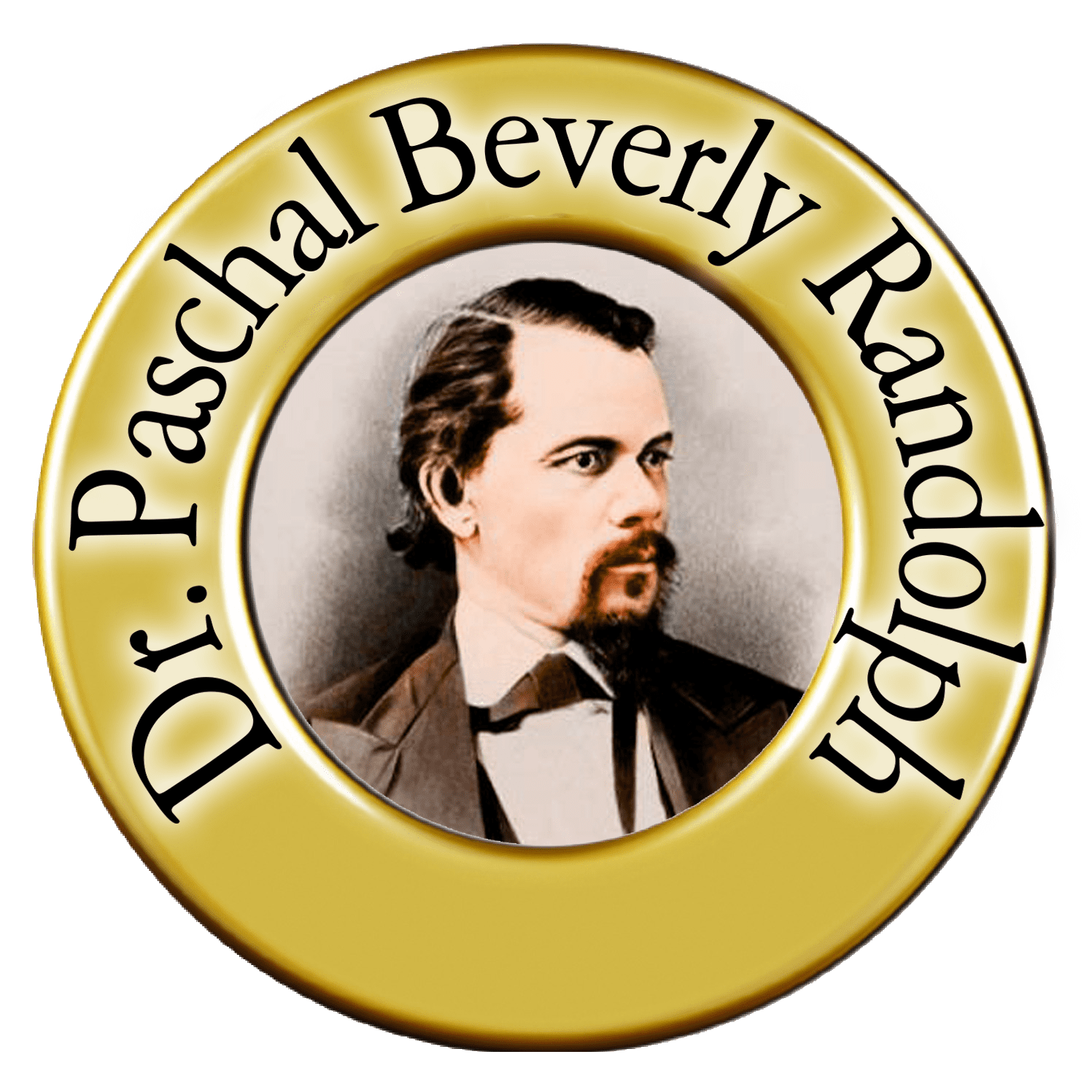
Paschal Beverly Randolph was a 19th-century African-American medical doctor, author, Spiritualist, and occultist known for introducing Rosicrucianism to North America. He also served as a teacher for freed slaves during the Civil War.
Randolph played a key role in turning Spiritualism into a more active type of occultism by including ideas and practices he learned about on his travels.
Early life: Born in New York City, he was self-educated after a difficult childhood, but then he traveled the world as a sailor.
Influential travels: His journeys through Europe, Egypt, and the Turkish Empire exposed him to various mystical and occult beliefs. He incorporated these into his own teachings, bringing practices like using a magic mirror back to America.
Spiritualist and occultist: Randolph was a Spiritualist trance medium who played a key role in shifting the focus of Spiritualism from receiving messages from Spirits to a more active pursuit of personal spiritual realization. His work helped found the modern occult movement. His occult systems influenced later occult figures like Madame Blavatsky and her Theosophical Society, and continue to have an impact on many modern occult organizations.
Rosicrucianism: Randolph founded what may have been the earliest known Rosicrucian order in the United States.
Author and entrepreneur: He was a prolific writer and published both fictional and instructive books based on his theories of health, sexuality, Spiritualism and occultism. He wrote more than fifty works on magic and medicine, and established an independent publishing company.
Randolph’s Connection to Abraham Lincoln
Abraham Lincoln met Paschal Beverly Randolph in 1851. Lincoln was a lawyer and an emerging politician in Illinois, years before he became president. Randolph was working as a steward or cabin boy on a Mississippi riverboat that Lincoln was traveling on. Randolph was a young man at the time, but he was already gaining a reputation for his intelligence, writing, and Spiritualist interests, as he was a practicing trance medium and lecturer.
Lincoln was impressed by Randolph's intelligence and demeanor, and the two engaged in conversations during their journey. Their acquaintance grew into a friendship. This first meeting on the riverboat marked the beginning of a relationship that lasted for years, until Lincoln's assassination in 1865. It involved shared interests in Spiritualism and abolitionism, and ultimately led to Randolph's later work for the Lincoln administration during Reconstruction.
Some sources and rumors suggest Randolph served as a spiritual advisor or medium to Lincoln and attended séances with him, but there is no solid evidence to support either claim. However, Lincoln's interest in Spiritualism lends credibility to such claims among some historians. Although both men knew each other and shared an interest in Spiritualism, they reportedly participated through different mediums and in separate settings. Their interactions seem to have been more like discussions and correspondence rather than attending spirit circles together.
Randolph’s Political Activism
Randolph was a dedicated abolitionist. After facing racial discrimination within Spiritualist circles, he committed himself to fighting for equality. During Reconstruction, Randolph was commissioned by the Lincoln administration to establish Freedmen's Schools in the South and taught newly freed slaves in Louisiana. This shows a high level of trust and professional interaction between Lincoln and Randolph that goes beyond simple social acquaintance.
- Literacy and practical education: As a former abolitionist and outspoken supporter of Black education, Randolph highlighted the importance of literacy, asserting that education was crucial for full participation in civic life. These schools also provided courses in practical vocational skills and citizenship, which were vital for formerly enslaved people adjusting to freedom.
- Establishment of schools: Randolph helped organize and establish schools for formerly enslaved people in and around New Orleans. He taught literacy to freedmen after emancipation and documented his findings and experiences in his book Seership, The Magnetic Mirror.
- Collaboration with the Union Army: Starting in 1862, when the Union soldiers occupied New Orleans, Randolph's efforts were supported and protected by the federal government. This allowed for the creation of schools in former Confederate areas despite hostility from many white Southerners.
- Recruitment of Black soldiers: In addition to his educational work, Randolph also contributed to recruiting Black soldiers for the Union army. This combined effort showed a dedication to both the physical and social emancipation of African Americans.
Post-war Disillusionment
Despite his work for the administration, Randolph faced betrayal by racism even after the war. After Lincoln's assassination in 1865, Randolph was invited to join the funeral train taking the president's body to Springfield, Illinois. During the solemn trip, some people challenged his presence, objecting to having an African American on board. He was reportedly asked to leave the train. This event deeply affected him and highlighted the persistent racial prejudice, even among those mourning the Union's leader despite his connection to the president.
The experience on the funeral train, along with the failures of Reconstruction, marked a turning point for Randolph. He became disillusioned with the prospects of racial harmony and shifted toward a separatist vision for Black spiritual destiny.
Death: Randolph died at the age of 49 from a gunshot wound. While a local newspaper reported his death as a suicide, his writings express an aversion to the act. A later account from a prominent Rosicrucian leader suggested he was murdered by a jealous former friend.